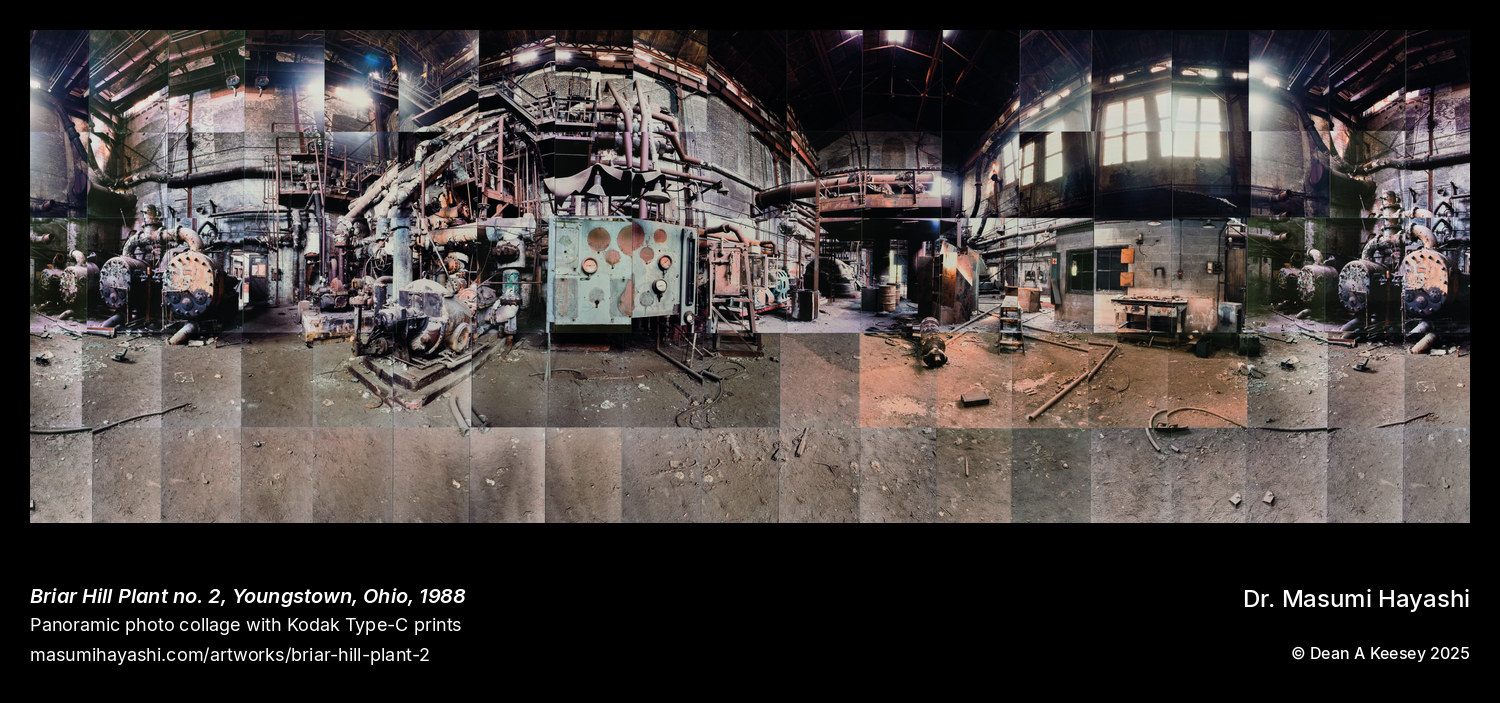
Briar Hill Plant no. 2, Youngstown, Ohio
Youngstown, OH, USA
Panoramic Photo Collage w/3d
1988
24 x 65
The middle work in Hayashi’s Briar Hill trilogy demonstrates commitment to comprehensive documentation rather than dramatic moments. This isn’t the establishing shot or final synthesis—it’s sustained systematic coverage of complex industrial facilities requiring multiple perspectives for adequate understanding. The three-work approach recognized that single compositions, however powerful, couldn’t capture the full scope of deindustrialization’s physical and social impacts.
Like its companion pieces, this 1988 work incorporates three-dimensional elements—rust fragments, architectural pieces, or industrial artifacts from the site itself. The physical materials create tangible connections between artwork and demolished facility. These aren’t just images of Briar Hill but actual pieces of the mill surviving within artworks long after environmental remediation and redevelopment razed the original structures.
The dimensions match Briar Hill no. 3 exactly, suggesting these middle and concluding works documented similar architectural scales or employed consistent production approaches distinct from the series opener’s larger format. The variation demonstrates how Hayashi adapted compositional strategies to different subjects within a single facility—larger formats for expansive sections, more compact framing for constrained subjects.
Briar Hill’s closure narrative differed fundamentally from Campbell Works’ sudden Black Monday shock. Where Campbell’s gates locked overnight with workers learning of job loss through news media, Briar Hill endured prolonged uncertainty: continued operations under restructuring efforts, gradual departmental closures, false hopes of worker buyouts followed by ultimate failure. The three-work series captures this different deindustrialization experience—not sudden catastrophic elimination but slow death, not instant shock but years of uncertainty before final confirmation of complete industrial collapse.
Creating five consistent editions of three separate works incorporating physical materials from the site—fifteen total pieces—required extraordinary production discipline. Finding similar rust fragments for each edition, maintaining visual consistency, ensuring stable mounting across the full run demonstrated Hayashi’s commitment to documentary methodology even when technical challenges might have encouraged simpler approaches or abandoning the technique entirely.
More from Post-Industrial Landscapes
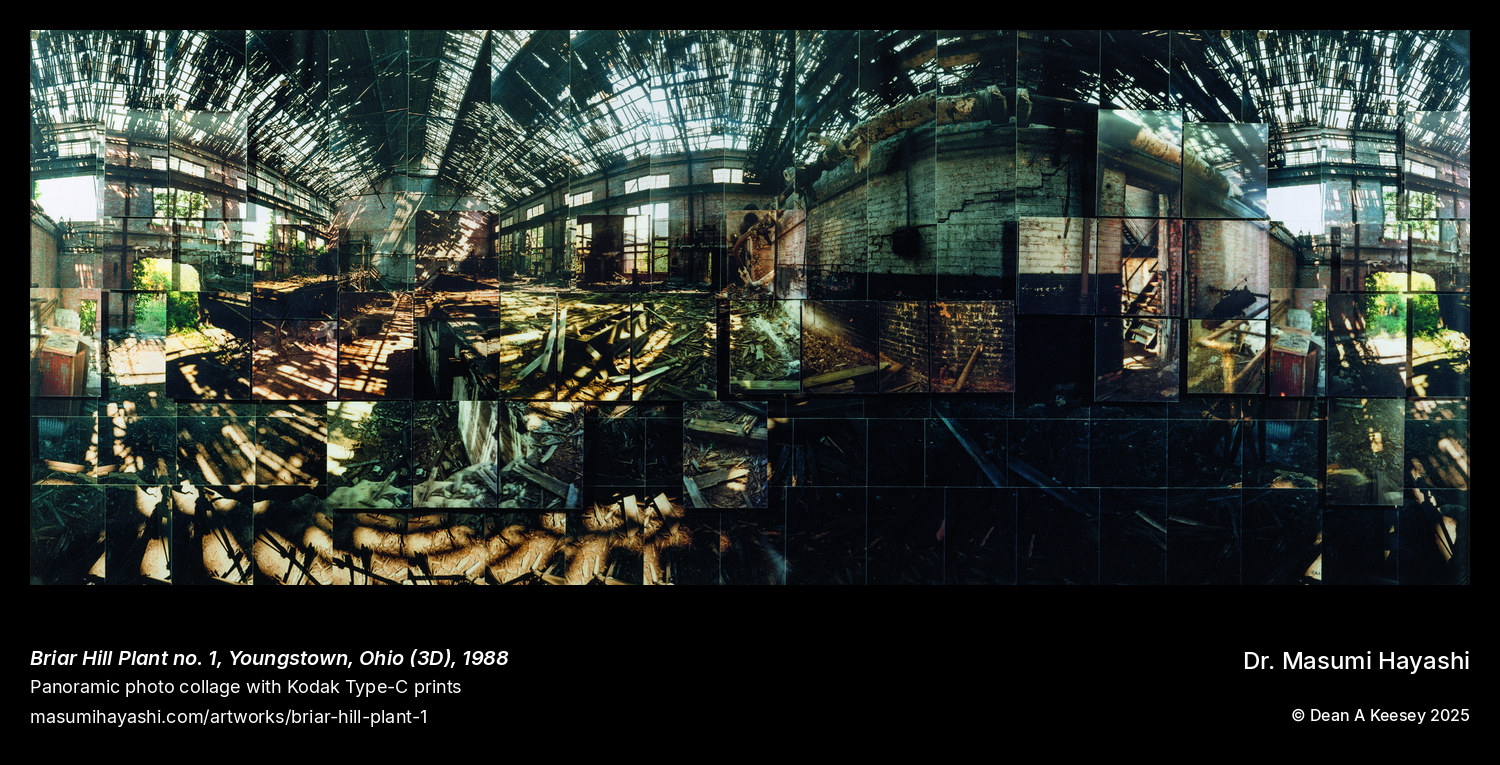
Briar Hill Plant no. 1, Youngstown, Ohio (3D)
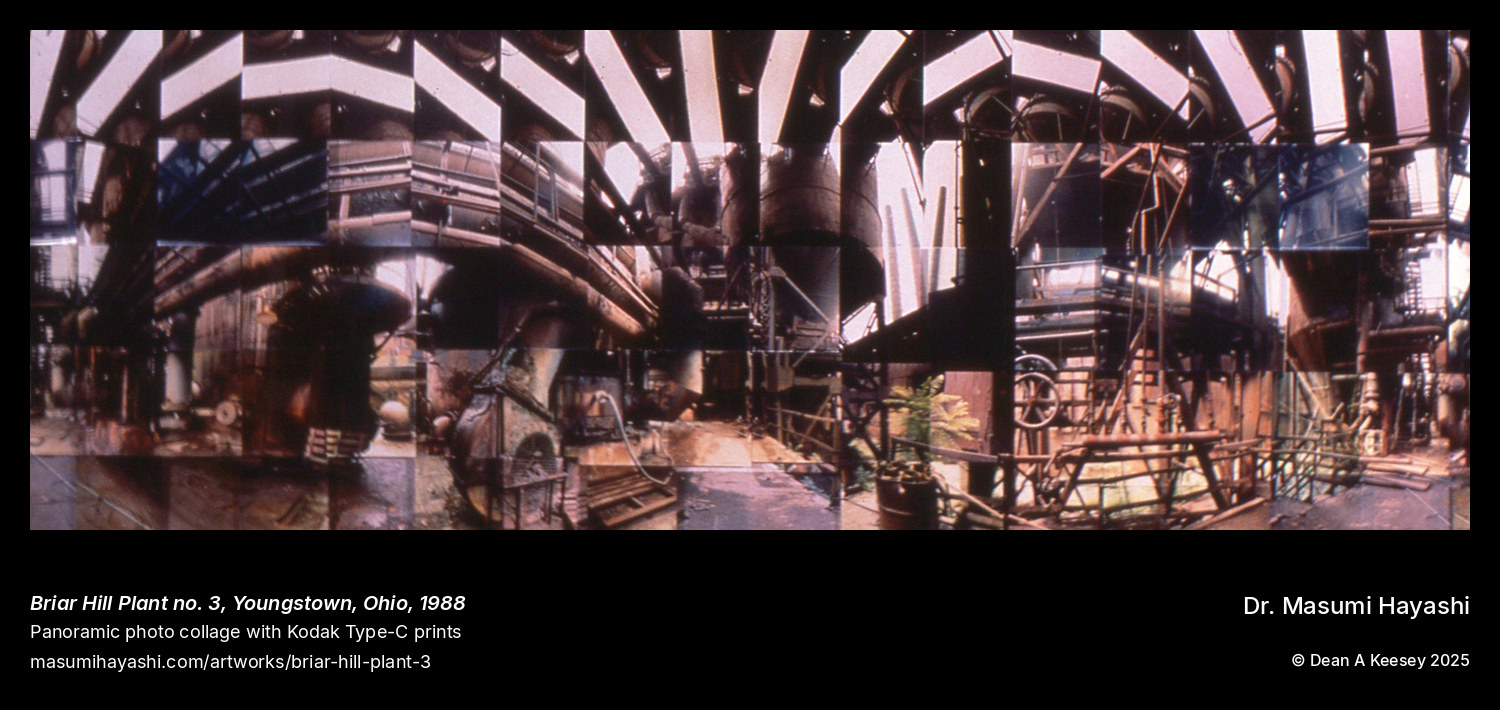
Briar Hill Plant no. 3, Youngstown, Ohio
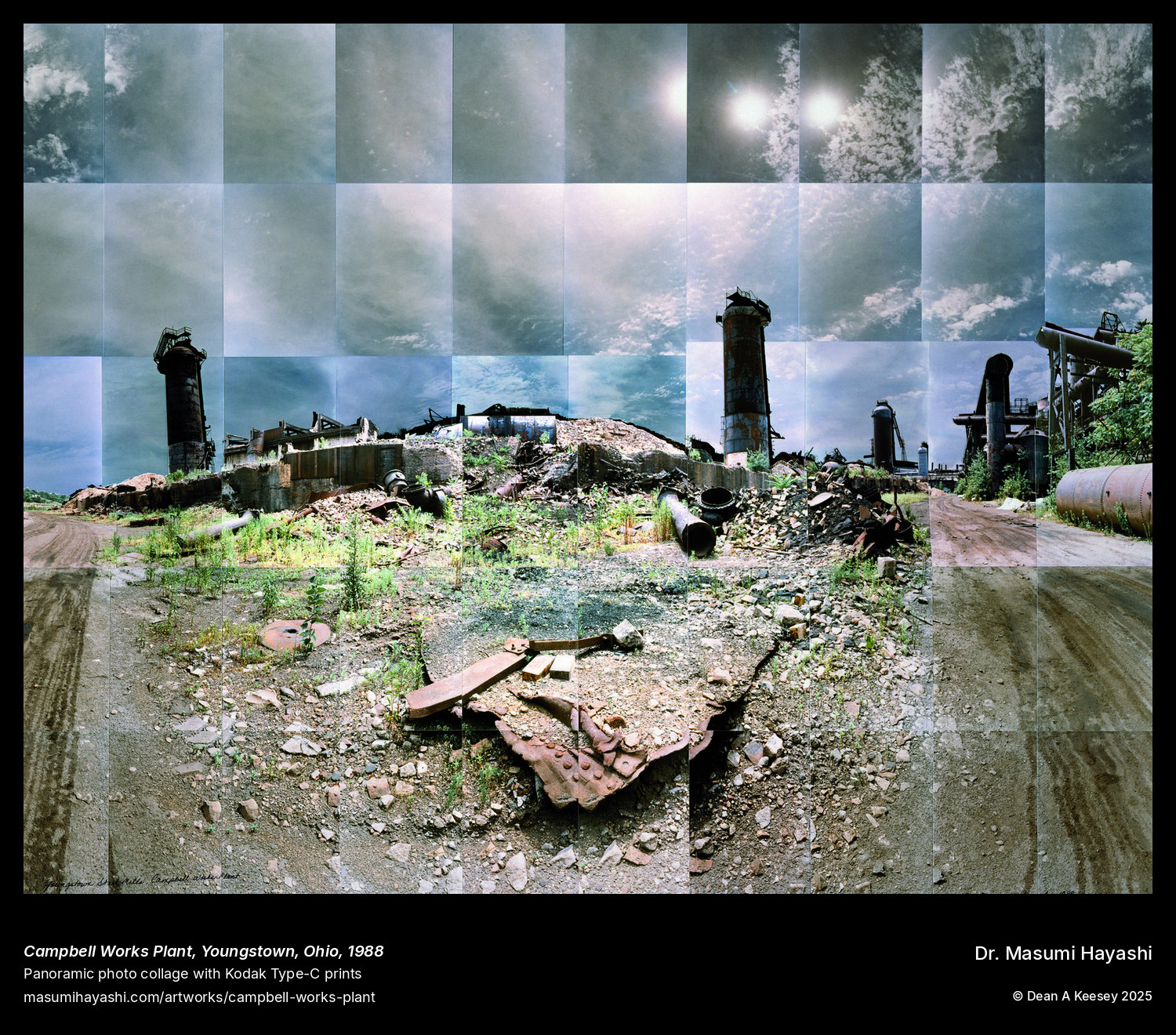
Campbell Works Plant, Youngstown, Ohio
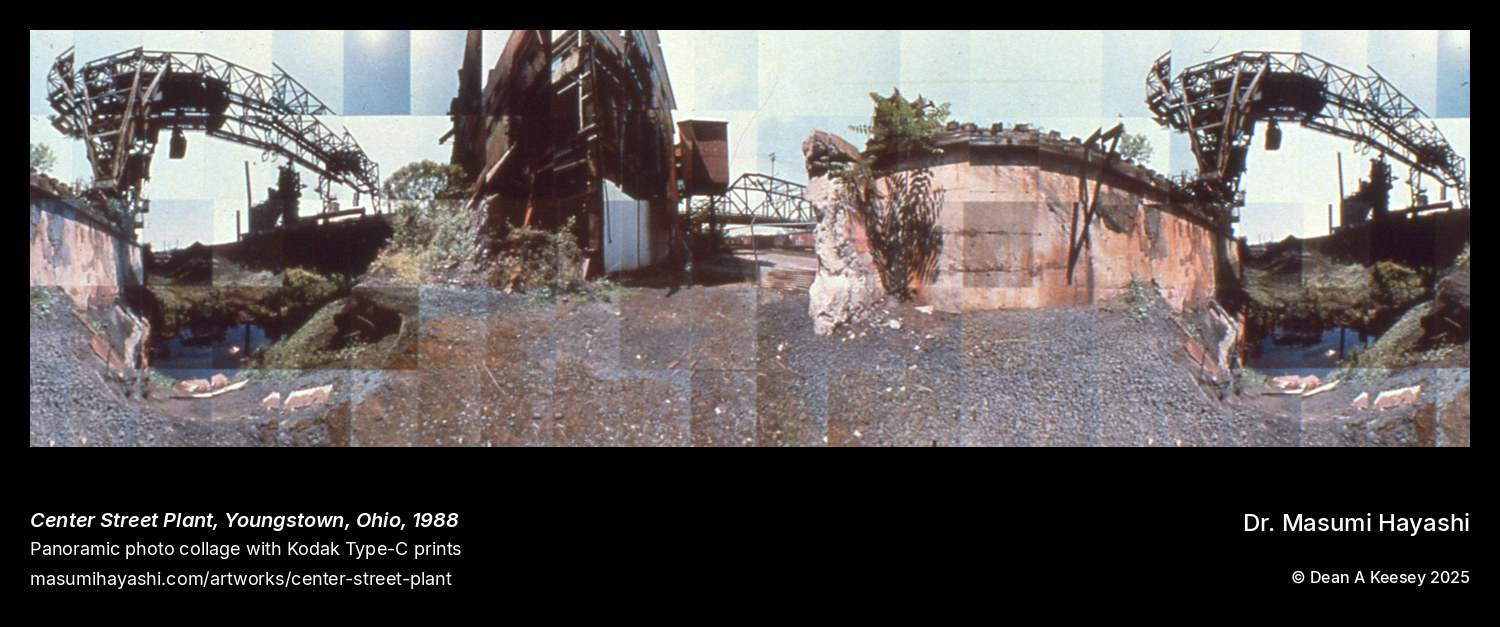
Center Street Plant, Youngstown, Ohio
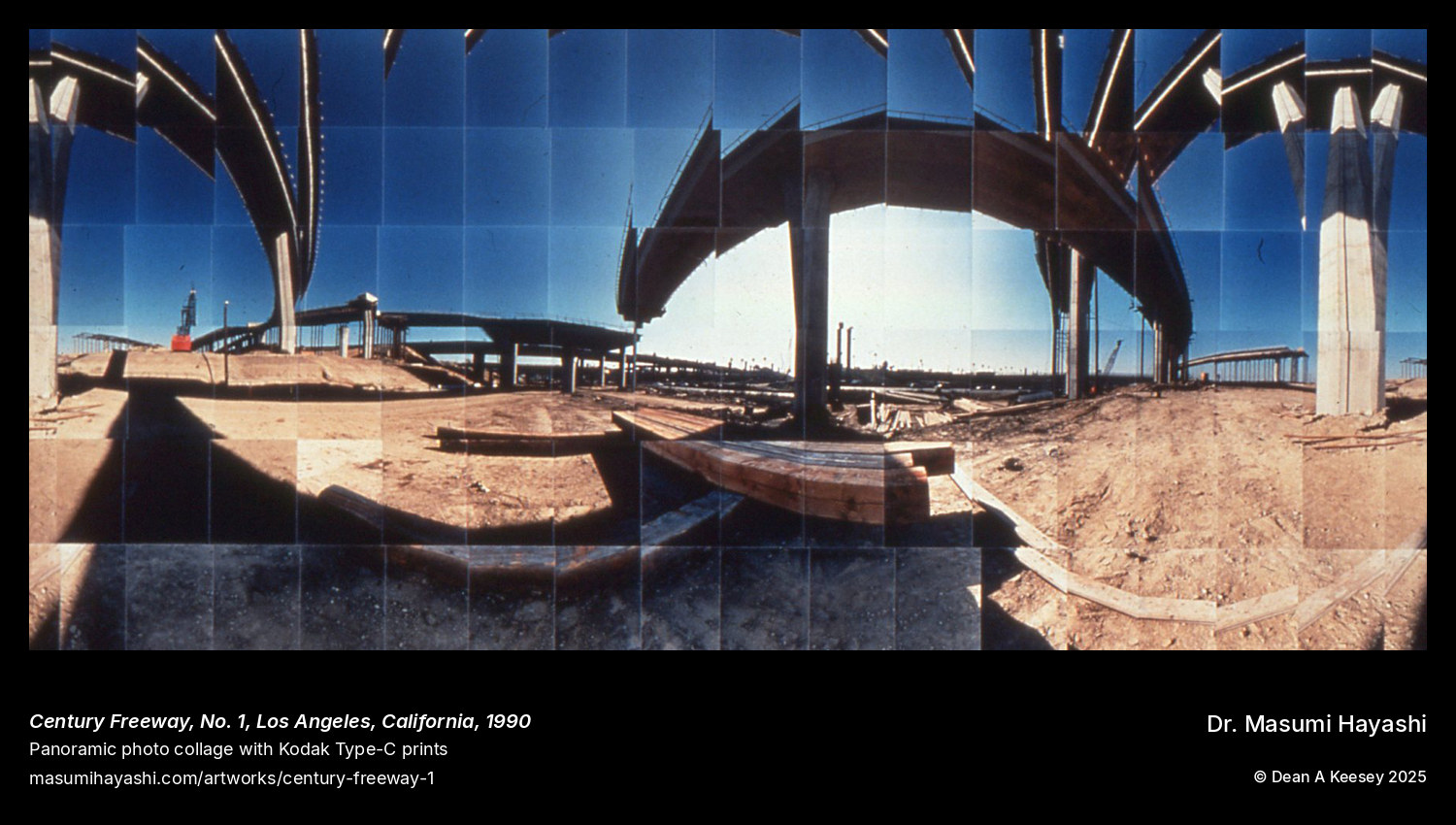
Century Freeway, No. 1, Los Angeles, California