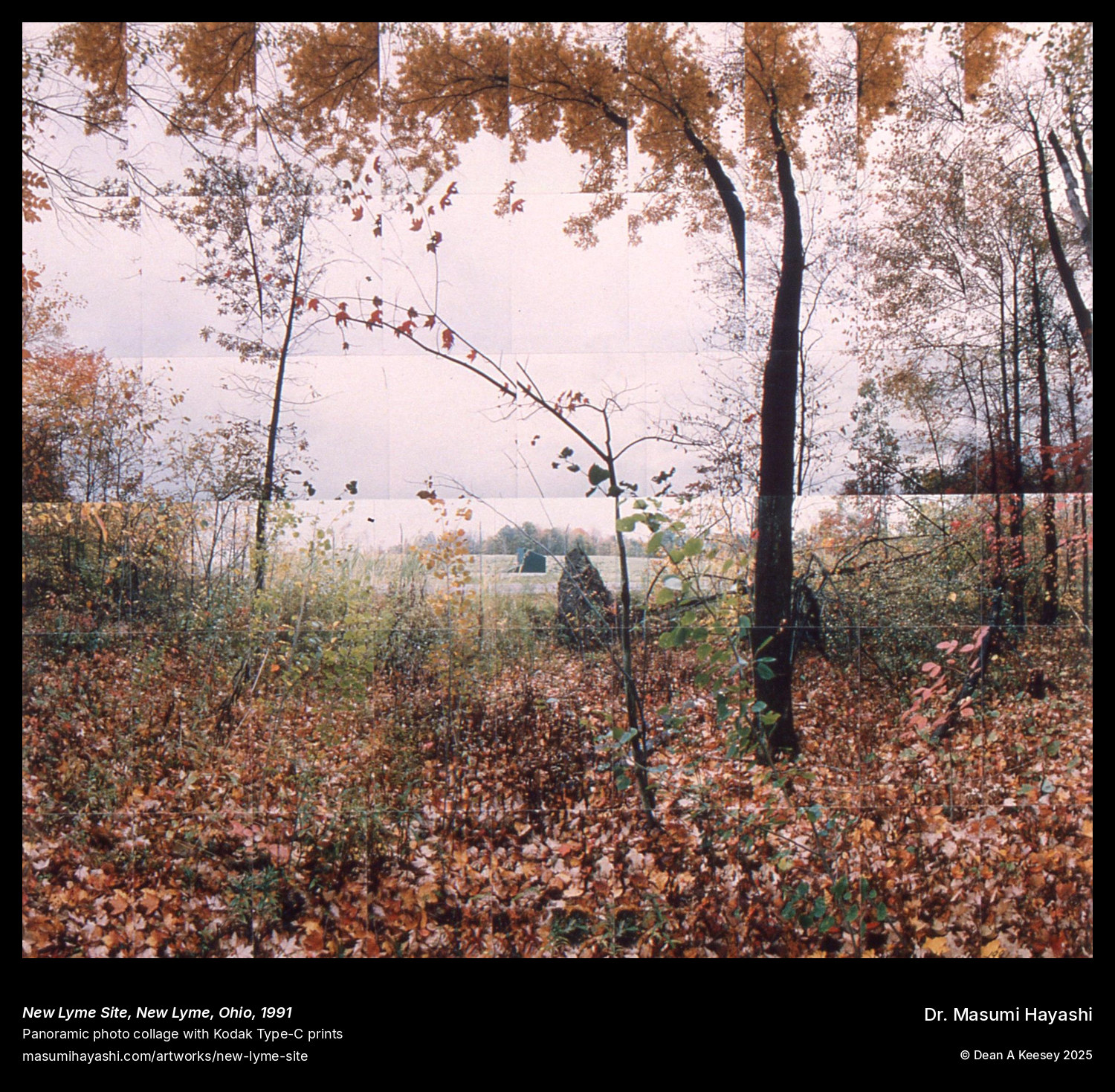
New Lyme Site, New Lyme, Ohio
Ashtabula Co., OH, USA
Panoramic Photo Collage
1991
27 x 29
New Lyme in Ashtabula County represents another node in northeastern Ohio’s toxic corridor where industrial waste disposal concentrated in rural townships bearing disproportionate contamination burdens during decades of inadequate environmental oversight. The site exemplifies how working-class communities absorbed costs from industries serving broader regional economies while lacking political influence to resist dumping or demand corporate accountability.
Ashtabula County’s concentration of at least seven EPA Superfund sites—New Lyme, Big D Campground, Field Brook Stream, Republic Steel Quarry among them—created what amounted to normalized contamination rather than exceptional disaster. This clustering reflected the county’s industrial base generating hazardous waste, its rural character enabling remote illegal dumping away from urban regulatory oversight, and its working-class demographics limiting community capacity to resist facility siting or enforce cleanup obligations.
The New Lyme site offered no visual evidence of contamination. The landscape lacked drama—no spectacular ruins, no evacuated neighborhoods, no nationally-recognized disaster. It looked like ordinary Ohio farmland, which is the problem: photography cannot show invisible groundwater chemistry. The work bears witness to the place itself, a site that looks like any other but carries an EPA designation and a contamination history its surface refuses to disclose. Without this documentation, such sites remain known only to affected communities and EPA records, excluded from environmental narratives that privilege spectacle over everyday injustice.
Hayashi’s nearly-square format captures a bounded landscape—fields, tree lines, the flat geometry of rural Ashtabula County. The composition documents the place as it presents itself to the eye: unremarkable, contained, giving nothing away.
New Lyme illustrates environmental inequality’s fundamental pattern: industries externalized waste disposal costs onto vulnerable communities while capturing profits from operations those communities hosted. Rural townships provided convenient dumping locations distant from regulatory scrutiny. When contamination required cleanup, federal Superfund programs bore costs rather than corporations that benefited. Hayashi’s commitment to photographing such obscure sites demonstrated dedication to comprehensive documentation insisting that ordinary environmental injustices affecting working-class communities deserve equal attention to spectacular disasters attracting media coverage.
More from EPA Superfund Sites
Big D Campground, Kingsville, Ohio
Feed Materials Production Center, US Department of Energy
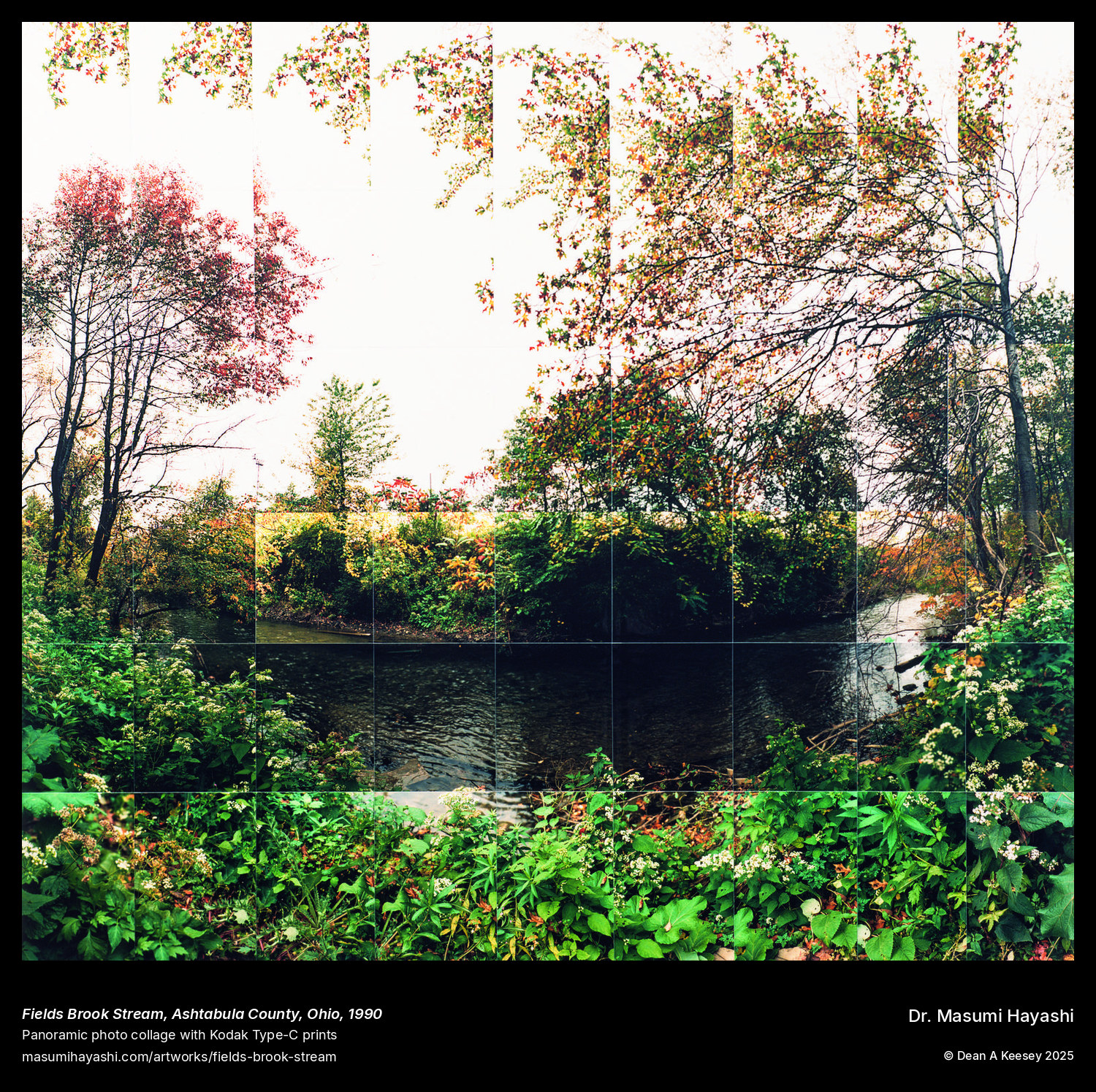
Fields Brook Stream
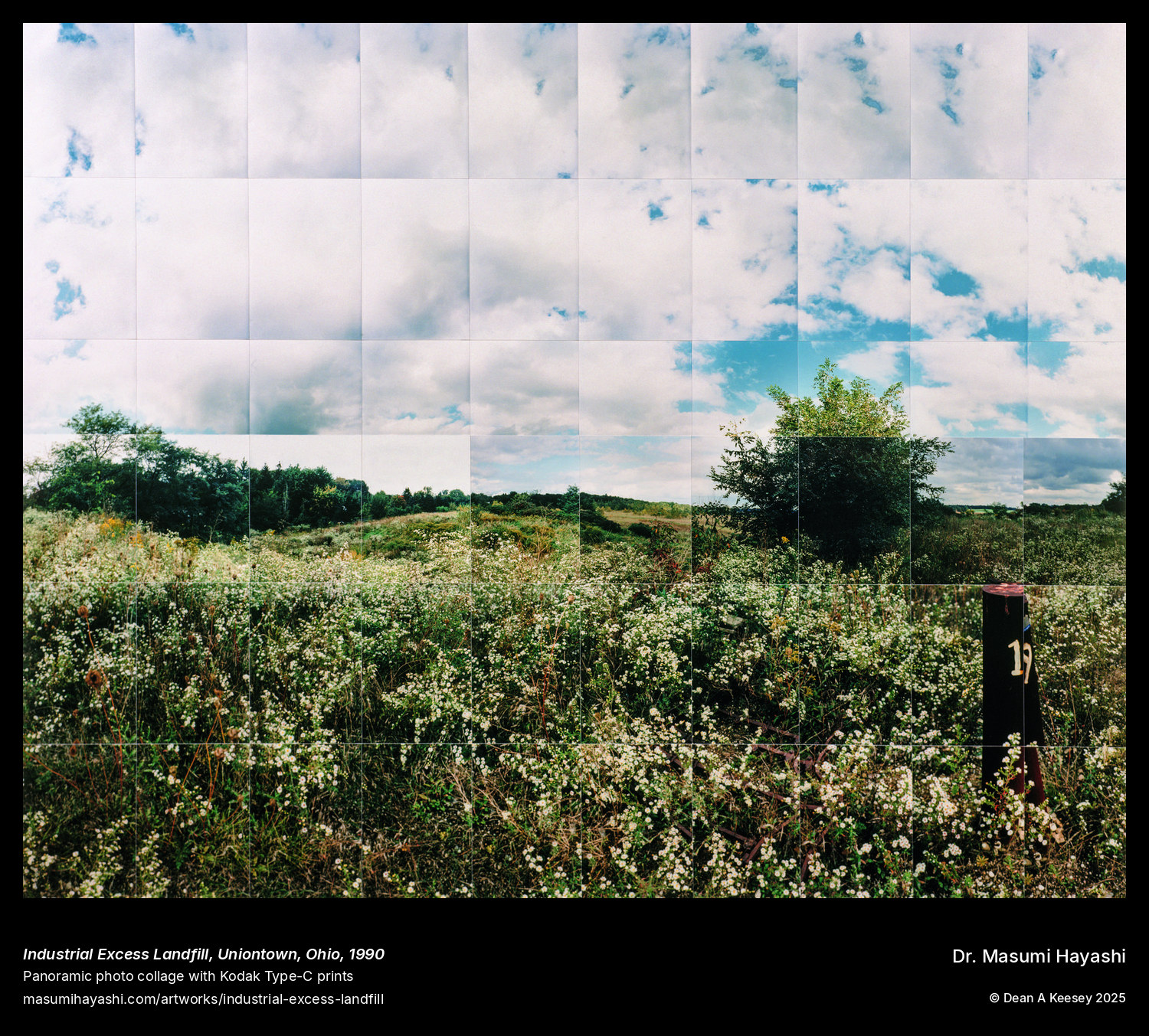
Industrial Excess Landfill, Uniontown, Ohio
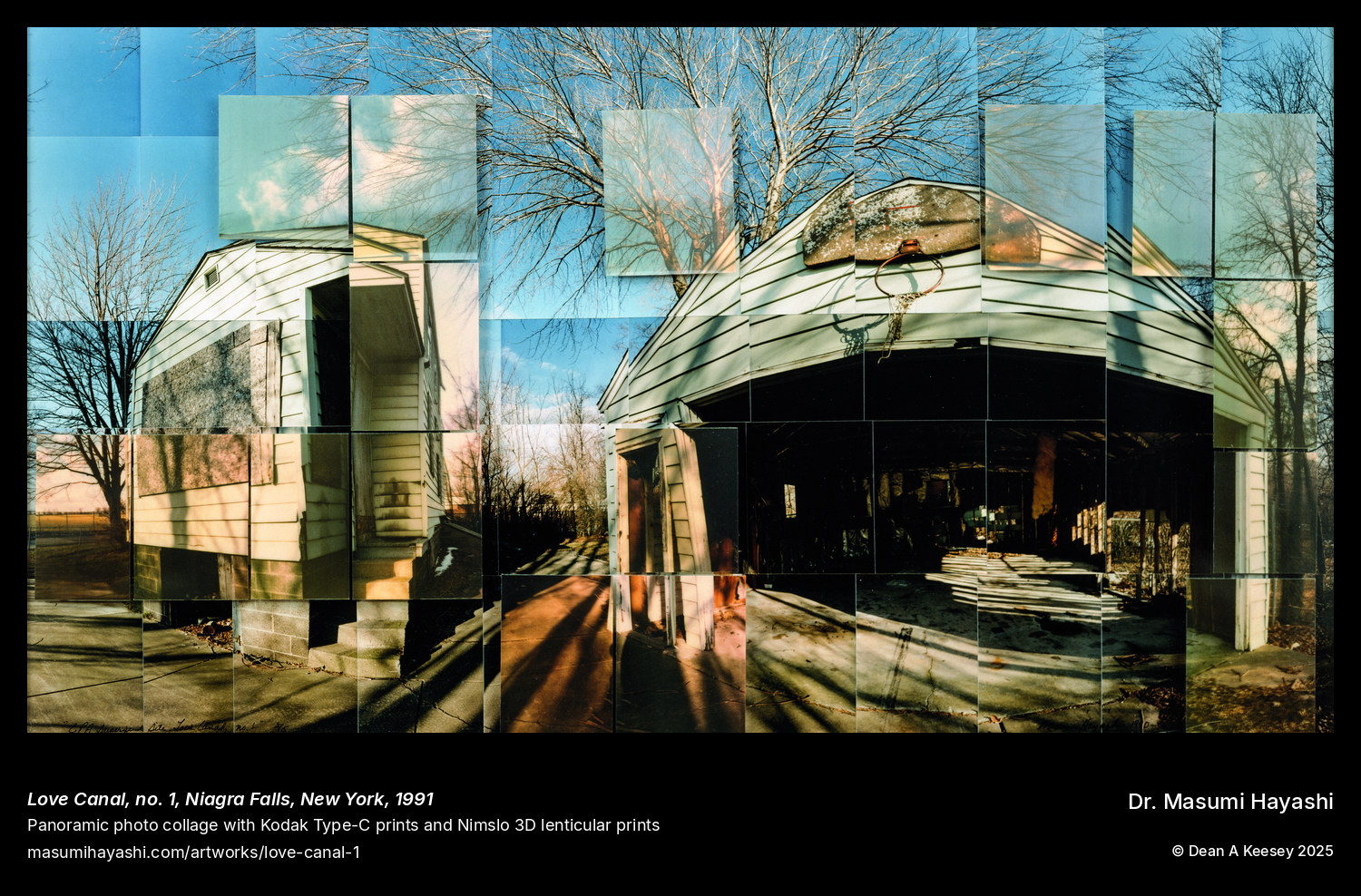
Love Canal, no. 1, Niagra Falls, New York