Tule Lake
Tule Lake Segregation Center
Location: Newell, California
Operated: May 27, 1942 - March 20, 1946
Peak Population: 18,789
The Tule Lake Segregation Center, located in Modoc County, California, was the largest and most controversial of the ten War Relocation Authority (WRA) concentration camps that incarcerated Japanese Americans during World War II.
Historical Significance
Initially opened as a standard WRA camp in May 1942, Tule Lake was converted into a maximum-security segregation center in 1943. The camp became a destination for individuals deemed “disloyal” by the WRA - primarily those who answered “no” to questions 27 and 28 of the infamous “loyalty questionnaire,” as well as those who requested repatriation to Japan.
Conditions and Control
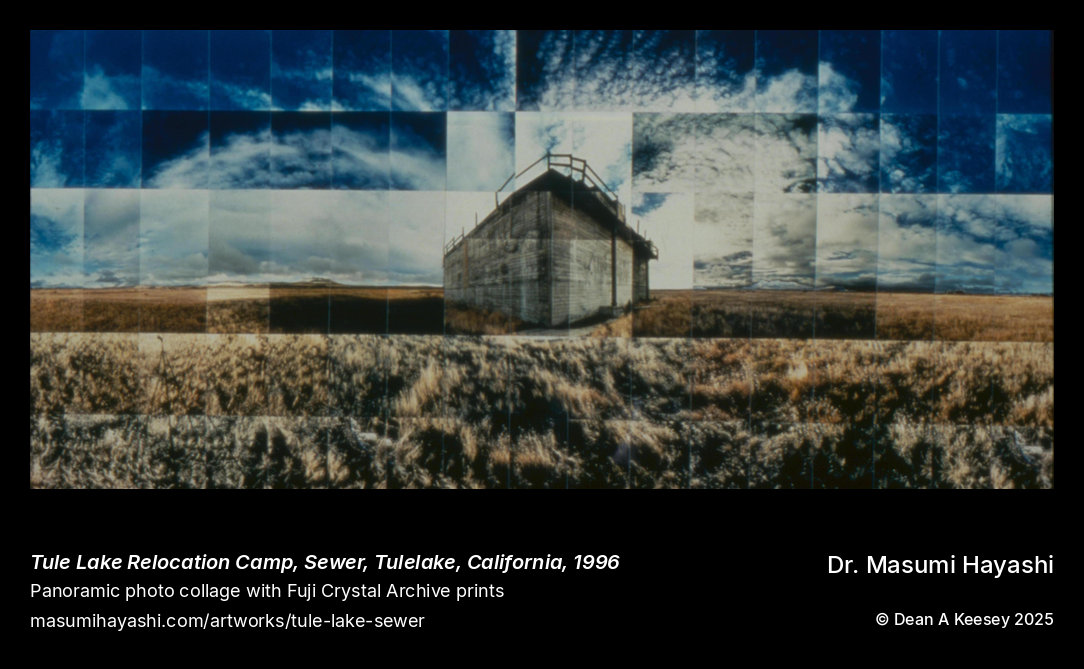
Tule Lake operated under the most restrictive conditions of all the camps. The facility was surrounded by a double fence topped with barbed wire, patrolled by military police, and equipped with tanks stationed at the entrance. The camp held the largest population of any WRA facility, reaching 18,789 individuals at its peak.
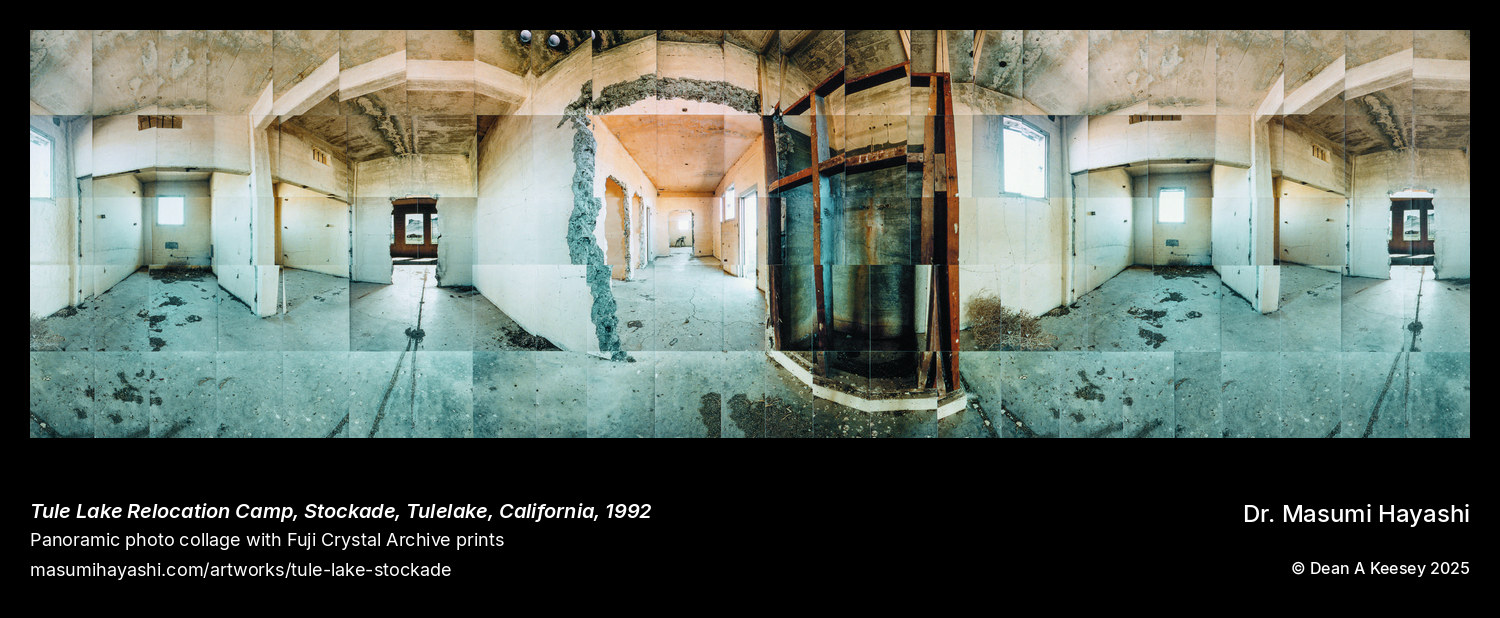
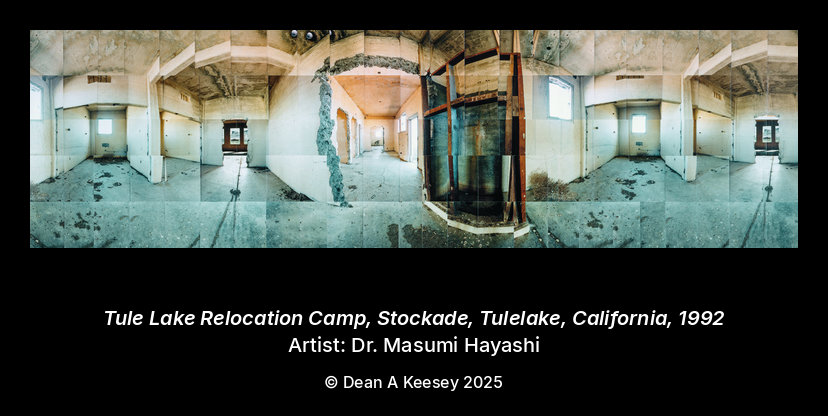
The harsh conditions and strict control measures led to significant protests and unrest. In 1943, a labor strike erupted over poor working conditions and treatment. The Army responded by imposing martial law and constructing a stockade to imprison protest leaders.
Legacy
Tule Lake remained open longer than any other WRA camp, not closing until March 1946 - seven months after the end of World War II. Many of those incarcerated at Tule Lake faced additional hardship after their release, as they were among the last to leave and had to rebuild their lives with minimal resources and community support.
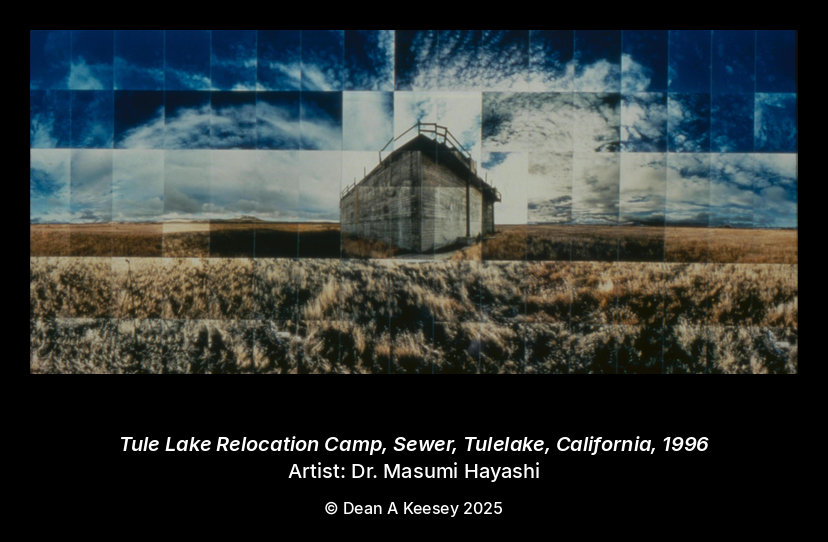
The site is now part of the Tule Lake Unit of the World War II Valor in the Pacific National Monument, managed by the National Park Service. The preserved camp structures and ongoing educational programs ensure that the story of Japanese American incarceration and resistance continues to be told.
Gallery
External Resources
- Tule Lake Unit - National Park Service ↗
Official National Park Service site for Tule Lake Unit
- Tule Lake Committee ↗
Preserving and sharing the history of Tule Lake
Explore More
American Concentration Camps
Explore the full project: photography, oral histories, family albums, and historical context documenting the incarceration of 120,000 Japanese Americans.
View the Complete Project →Oral Histories
Listen to internees share their memories of evacuation, camp life, and resilience during this period.
Listen to Interviews →Family Album
View photographs taken by internees themselves, documenting daily life inside the camps.
View Family Stories →All Ten Camps
Learn about the other War Relocation Authority concentration camps across the Western United States.
Explore All Camps →Historical Context
Archives, educational materials, and recommended reading about the Japanese American incarceration.
View Resources →