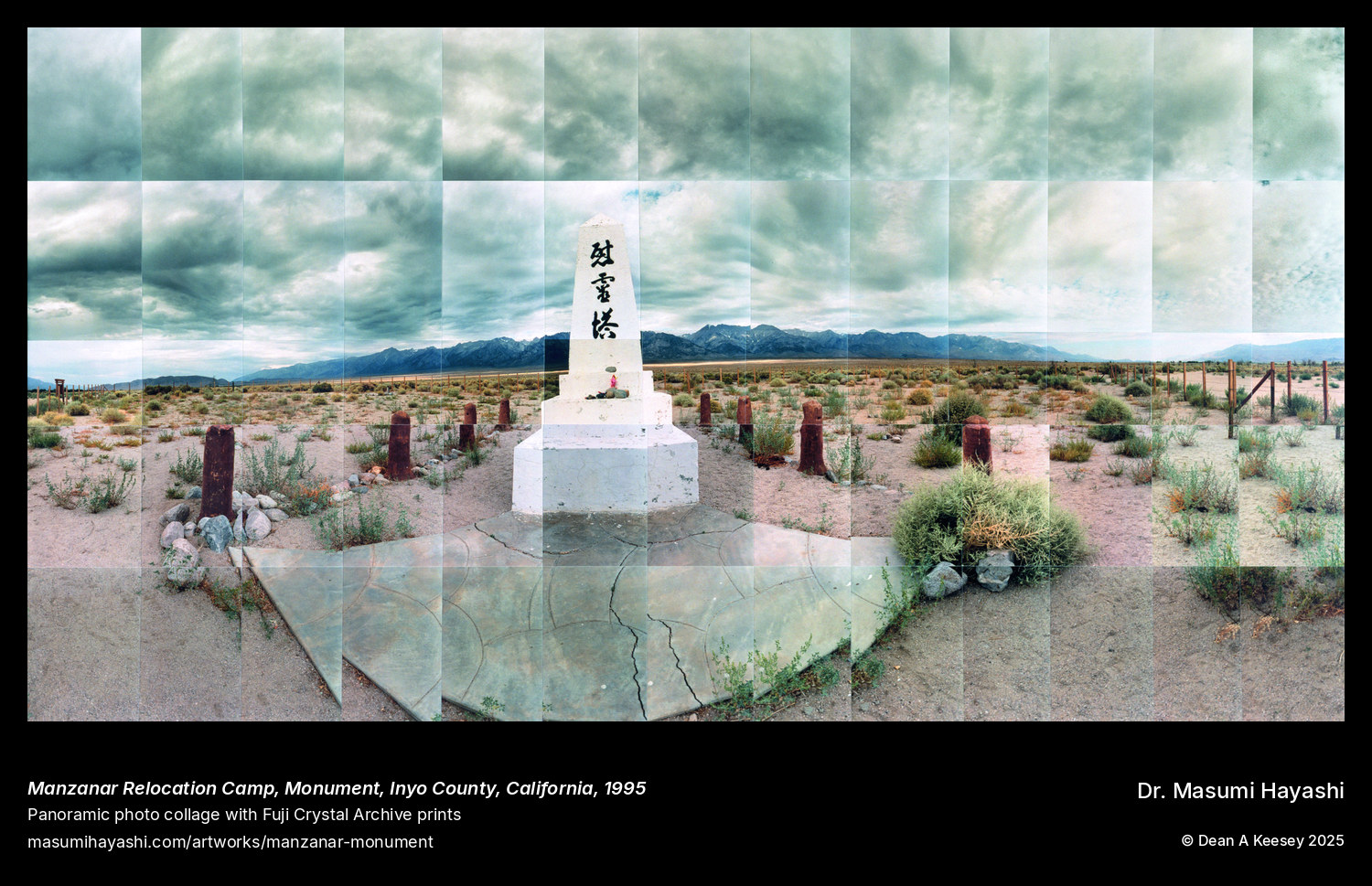
Manzanar
Manzanar War Relocation Center
Location: Independence, California
Operated: March 21, 1942 - November 21, 1945
Peak Population: 10,046
Manzanar Location & Map
Location: Owens Valley, California Address: 5001 Highway 395, Independence, CA 93526 Coordinates: 36.7303°N, 118.1548°W Elevation: 3,900 feet
Manzanar is located in the Owens Valley of eastern California, approximately:
- 230 miles north of Los Angeles
- 250 miles southeast of San Francisco
- 5 miles south of Independence, California
- Between the Inyo Mountains (east) and Sierra Nevada (west)
Getting to Manzanar
By Car: Take US Highway 395 through the Owens Valley. The Manzanar National Historic Site is clearly marked with signs along Highway 395, approximately 5 miles south of Independence.
Visitor Center Hours: 9:00 AM - 4:30 PM daily (closed Thanksgiving, Christmas, New Year’s Day)
Historical Overview
Manzanar was the first of the ten War Relocation Authority concentration camps to open, beginning operations on March 21, 1942. Initially established as a “reception center,” it quickly became a permanent incarceration site for Japanese Americans forcibly removed from their homes on the West Coast.
The camp was constructed on land leased from the City of Los Angeles Department of Water and Power, which had previously used the area for agricultural purposes before acquiring water rights and depopulating the valley in the 1920s.
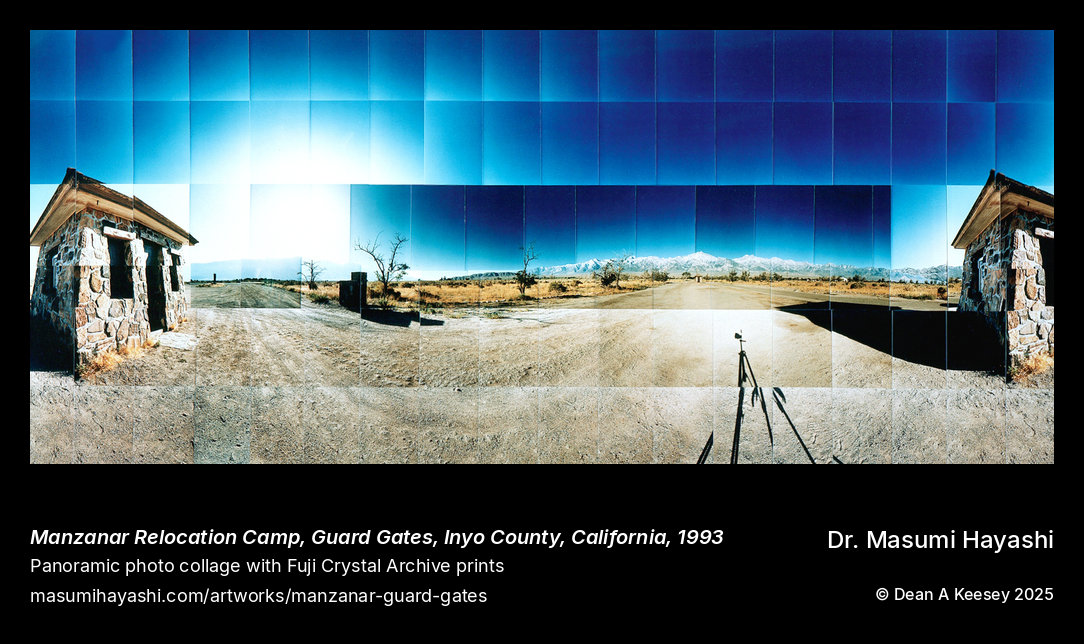
Camp Layout and Architecture
The developed portion of the camp covered approximately 540 acres, arranged in a one-square-mile area divided into 36 blocks. Each block typically contained:
- 14 residential barracks (20 x 100 feet each)
- 1 mess hall
- 1 recreation hall
- 1 latrine/washroom building
- 1 laundry facility
Eight guard towers surrounded the perimeter, though the level of armed surveillance varied throughout the camp’s operation.
Timeline of Key Events
- March 21, 1942: First Japanese Americans arrive at Manzanar
- December 5-6, 1942: Manzanar Riot - Internees protest against informants and camp conditions; two internees killed by military police
- 1943: Agricultural production reaches peak, with internees farming 1,000 acres
- 1944: Supreme Court rules in Korematsu v. United States, upholding internment
- 1945: After Pearl Harbor anniversary passes without incident, camp begins closing
- November 21, 1945: Last internees leave Manzanar
Daily Life and Resistance
Despite imprisonment, internees established a functioning community with:
- Schools (elementary through high school)
- The Manzanar Free Press (camp newspaper)
- Agricultural projects producing vegetables and raising livestock
- Recreational activities including baseball, basketball, and traditional Japanese arts
- Buddhist and Christian religious services
- Consumer co-operatives and small businesses
Resistance took many forms, from the 1942 riot to work slowdowns, to quiet acts of cultural preservation and dignity maintenance.
Notable Internees
Many prominent Japanese Americans were incarcerated at Manzanar, including:
- Ralph Lazo - Mexican American high school student who voluntarily entered camp in solidarity
- Jeanne Wakatsuki Houston - Author of “Farewell to Manzanar”
- Toyo Miyatake - Photographer who secretly documented camp life
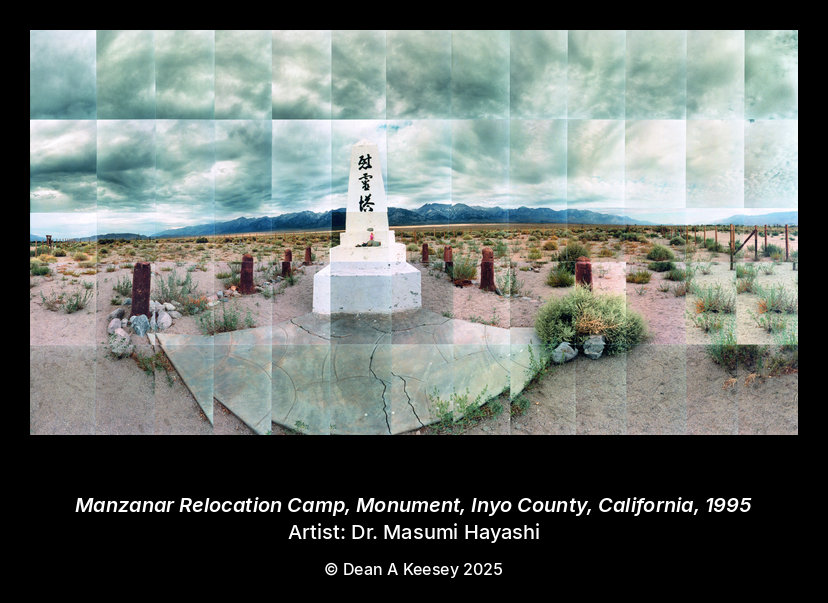
- Robert Okazaki - Landscape architect who designed the historic cemetery monument
Present Day - National Historic Site
In 1992, Manzanar was designated a National Historic Site, managed by the National Park Service. Today, visitors can see:
Preserved Structures and Reconstructions
- Guard towers (reconstructed)
- Barracks (reconstructed Block 14)
- Camp auditorium
- Cemetery and monument (original)
- Extensive orchard remnants
- Rock gardens created by internees
Visitor Center and Museum
The 8,000-square-foot interpretive center features:
- Comprehensive historical exhibits
- Personal stories and artifacts
- Documentary film screening
- Educational programs
- Bookstore with historical resources
Annual Pilgrimage
Every April, the Manzanar Committee organizes an annual pilgrimage drawing hundreds of former internees, their descendants, and supporters to honor the memory of those incarcerated and to educate about the constitutional failures that enabled mass imprisonment.
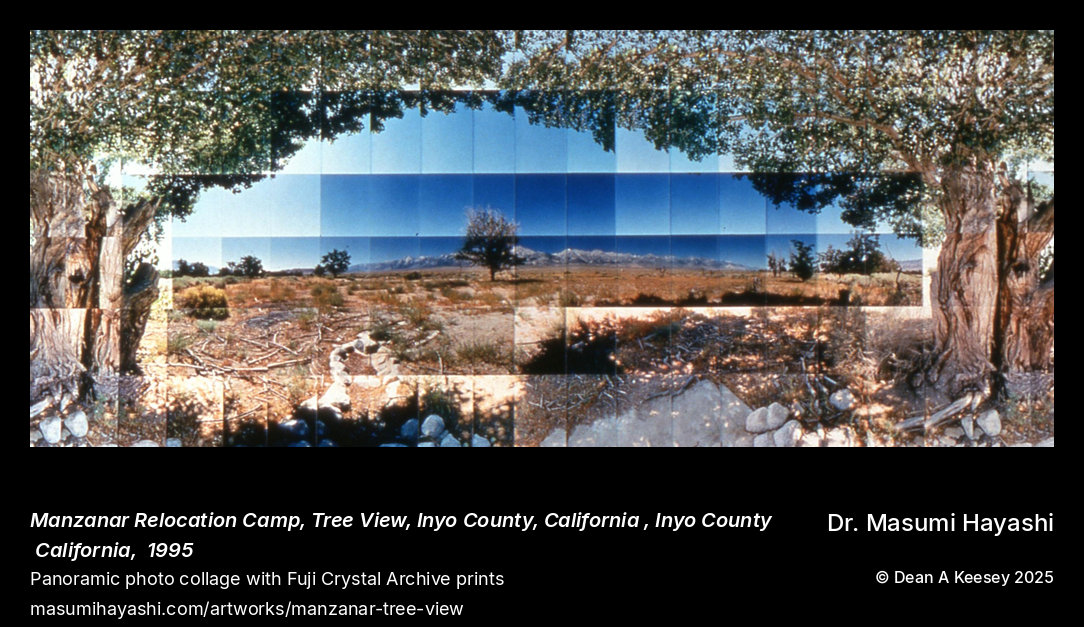
Geographic and Environmental Context
The Owens Valley location was chosen specifically for its isolation and harsh environmental conditions. The combination of:
- Extreme temperature variations (below 0°F in winter, over 100°F in summer)
- Frequent dust storms created by wind channeling between mountain ranges
- Limited water despite the valley’s history as agricultural land
- High elevation and intense sun exposure
- Remote location far from coastal cities
…created severe hardships for internees, many of whom came from moderate coastal climates and urban environments.
The site’s environmental extremes were not accidental - they served the dual purpose of discouraging escape attempts while providing a location sufficiently isolated to prevent contact between internees and the general population.
Significance in Masumi Hayashi’s Work
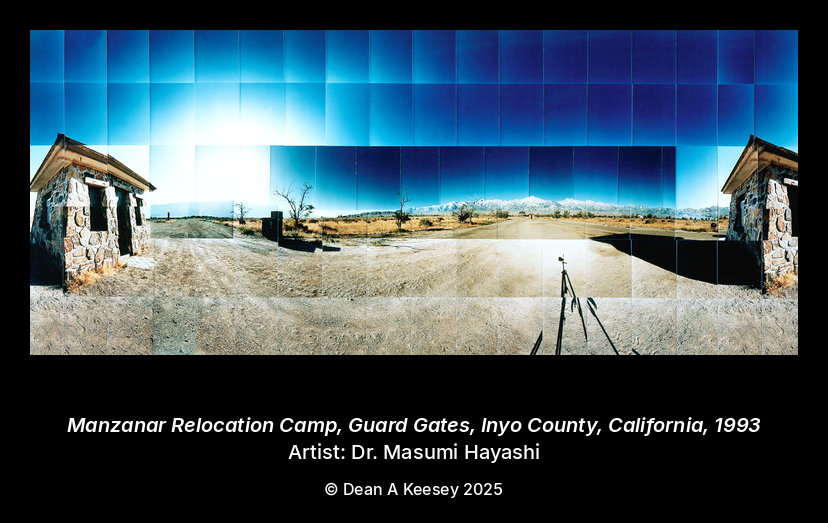
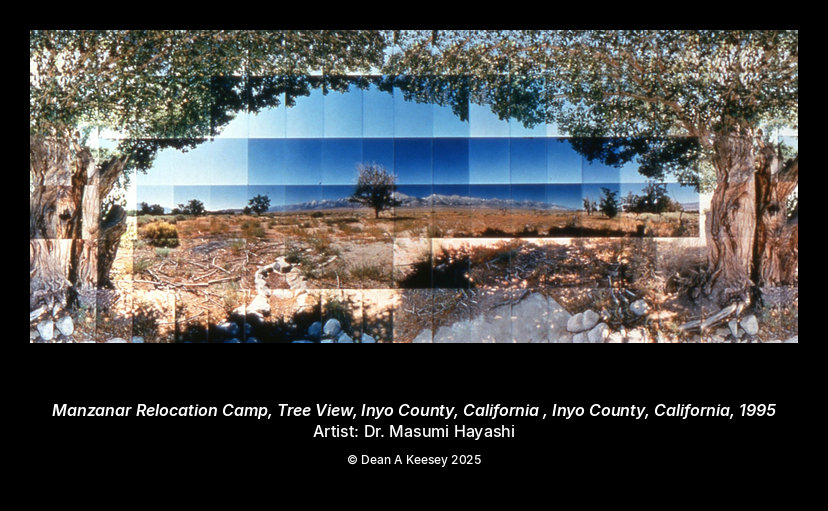
Masumi Hayashi, herself born in 1945 at the Gila River concentration camp in Arizona, photographed Manzanar as part of her decades-long documentation of all ten War Relocation Authority camp sites. Her panoramic photo collages of Manzanar capture both the stark beauty of the Owens Valley landscape and the traces of trauma that remain visible in the desert.
Her work at Manzanar and other camps transforms these sites from historical abstractions into visceral physical spaces, forcing viewers to confront the material reality of mass incarceration on American soil.
Gallery
External Resources
- Manzanar National Historic Site - National Park Service ↗
Official National Park Service site with visitor information, history, and educational resources
- Densho Encyclopedia - Manzanar ↗
Comprehensive historical documentation and personal stories from Manzanar
- Manzanar Committee ↗
Annual pilgrimage and educational programs preserving Manzanar history
Explore More
American Concentration Camps
Explore the full project: photography, oral histories, family albums, and historical context documenting the incarceration of 120,000 Japanese Americans.
View the Complete Project →Oral Histories
Listen to internees share their memories of evacuation, camp life, and resilience during this period.
Listen to Interviews →Family Album
View photographs taken by internees themselves, documenting daily life inside the camps.
View Family Stories →All Ten Camps
Learn about the other War Relocation Authority concentration camps across the Western United States.
Explore All Camps →Historical Context
Archives, educational materials, and recommended reading about the Japanese American incarceration.
View Resources →