Sarnath Ruins
Sarnath, Uttar Pradesh, India
Panoramic photo collage with Fuji Crystal archive prints
2000
30 x 35
This compact 30-by-35-inch panorama documents Sarnath—one of Buddhism’s four holiest sites where Siddhartha Gautama, newly enlightened beneath the Bodhi Tree at Bodh Gaya, delivered his first sermon to five ascetics in a deer park, setting the Wheel of Dharma in motion and establishing the Buddhist sangha (community). The near-square format, unusual within Hayashi’s predominantly rectangular oeuvre, suggests contained sacred geography where monumental ruins concentrate within defined archaeological precinct.
Created in 2000 as part of Hayashi’s systematic documentation of Buddhist pilgrimage sites, the work captures the Dhamek Stupa—a massive cylindrical tower rising 128 feet above the deer park where the Buddha’s first sermon occurred. The stupa marks the exact location where Buddhist tradition began as organized religion, the moment when Gautama’s private enlightenment became public teaching. Archaeological excavations reveal continuous veneration from the Mauryan emperor Ashoka’s third-century BCE patronage through Islamic invasions that destroyed the monasteries in the twelfth century CE.
The ruins visible represent layered history: Ashokan lion capital (now India’s national emblem) originally crowned a pillar here; Gupta-period monasteries housed thousands of monks; Chinese pilgrims Faxian (fifth century) and Xuanzang (seventh century) documented thriving religious institutions; and the massive Dhamek Stupa was enlarged repeatedly across centuries. What survives represents foundation walls and fragments—the brick-and-stone bones of once-elaborate monasteries, the archaeological footprint of vanished devotional infrastructure.
Unlike Bodh Gaya’s living pilgrimage centered on the descendant Bodhi Tree, Sarnath presents contemplative ruins requiring historical imagination to reconstruct former grandeur. The deer park setting carries symbolic weight—the Buddha’s first discourse titled “Setting the Wheel of Dharma in Motion” established core teachings (the Four Noble Truths, the Eightfold Path) that remain Buddhism’s doctrinal foundation across all subsequent schools and cultures.
The compact format suits Sarnath’s concentrated geography—a circumscribed precinct where ancient ruins cluster within walkable distance, the contained archaeological zone contrasting with sprawling temple complexes elsewhere in the Sacred Architectures series.
More from Sacred Architectures
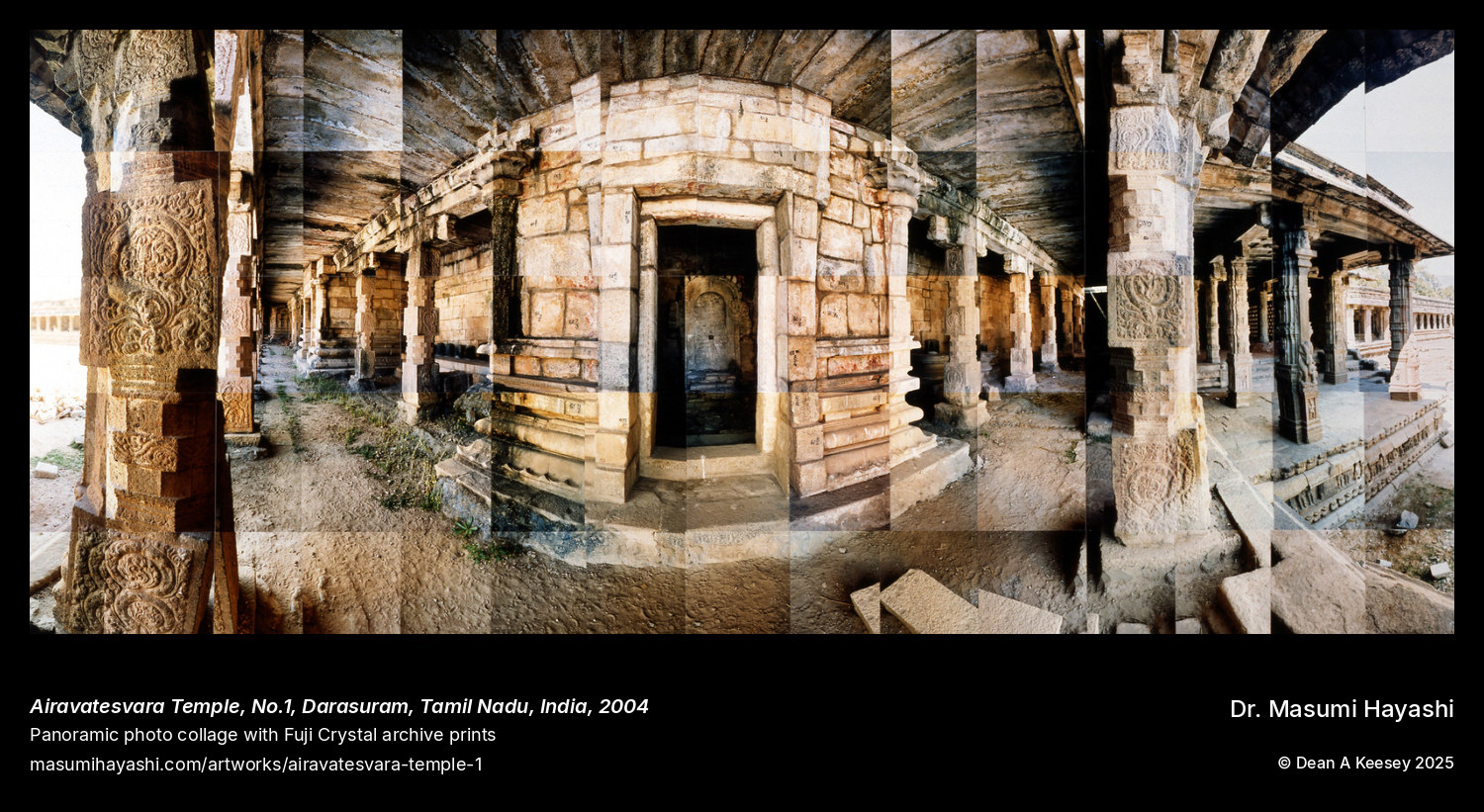
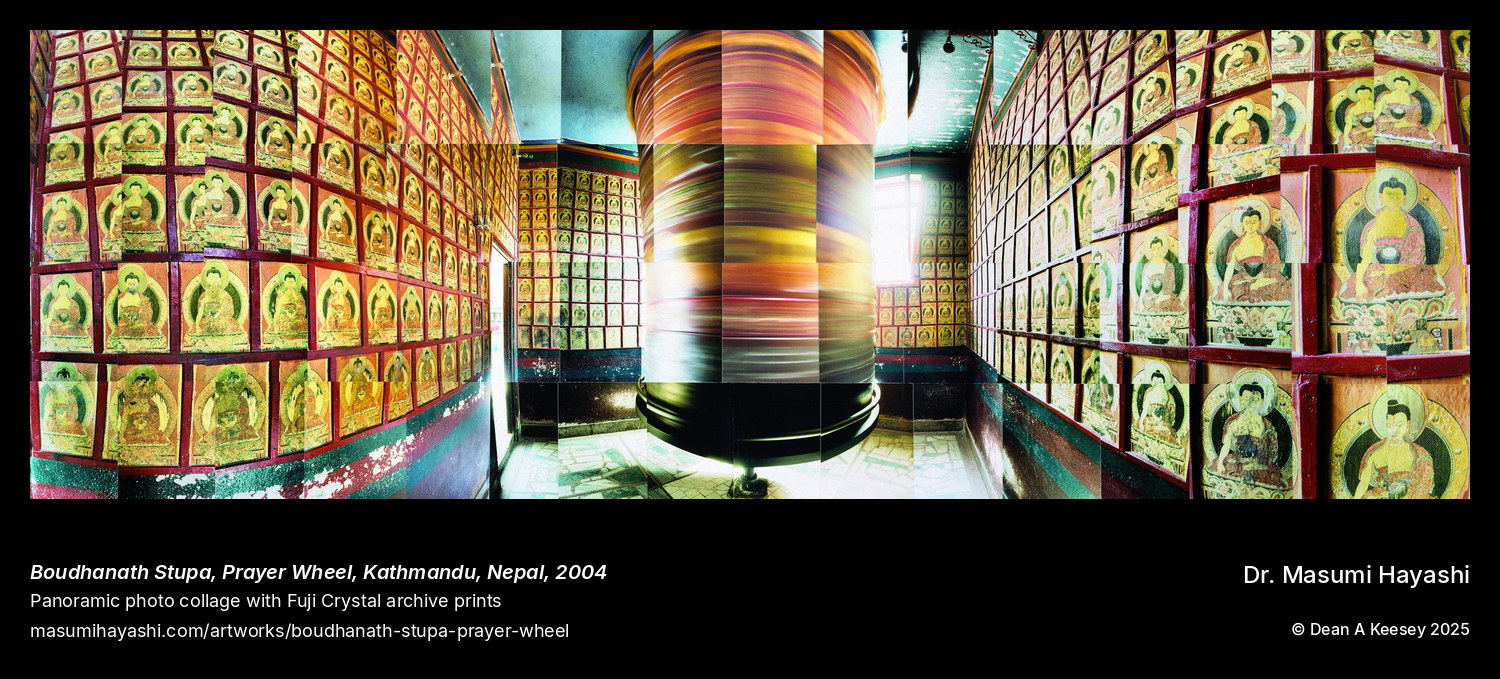
Airavatesvara Temple #1, Darasuram, Tamil Nadu, India
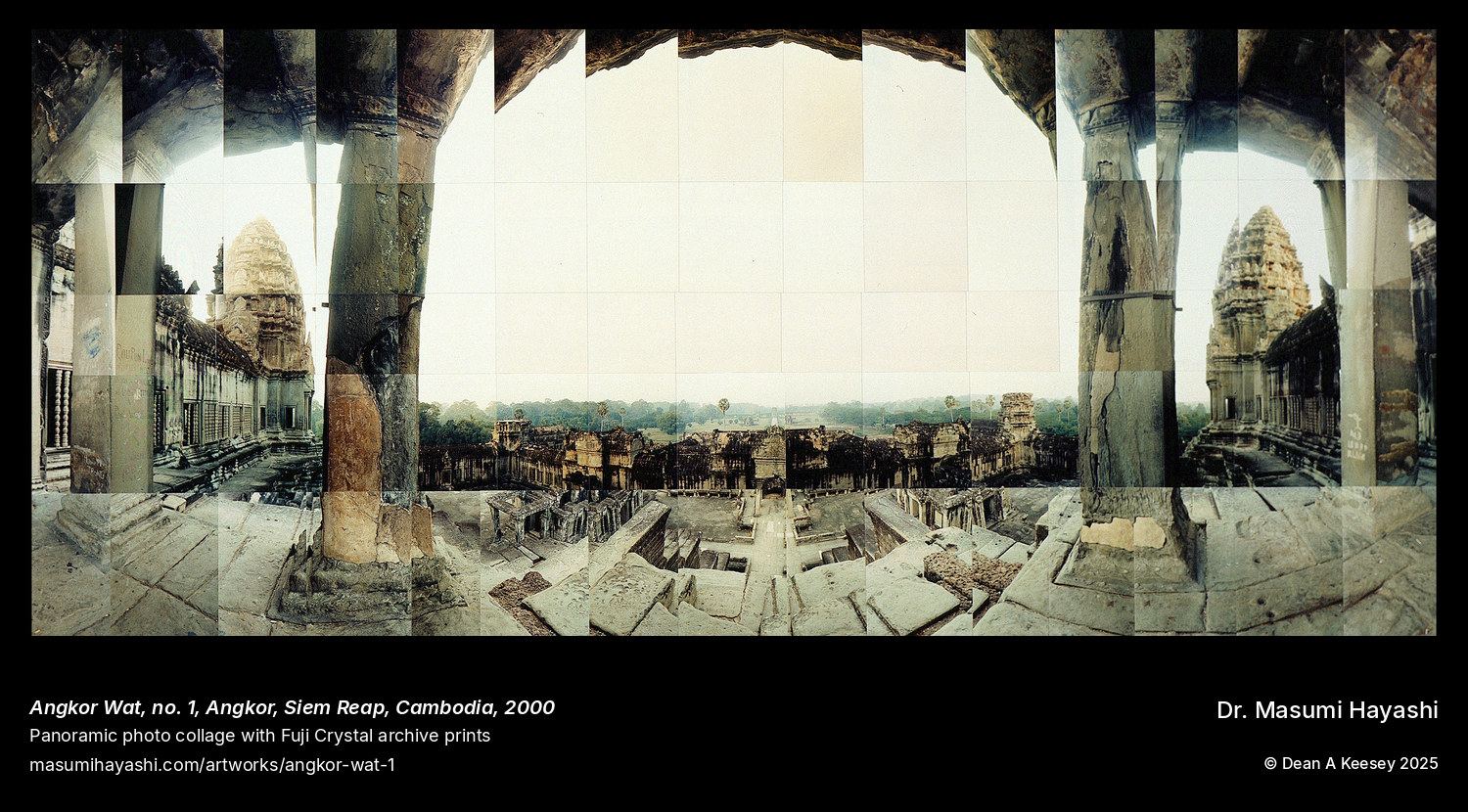
Angkor Wat, no. 1, Angkor, Siem Reap, Cambodia
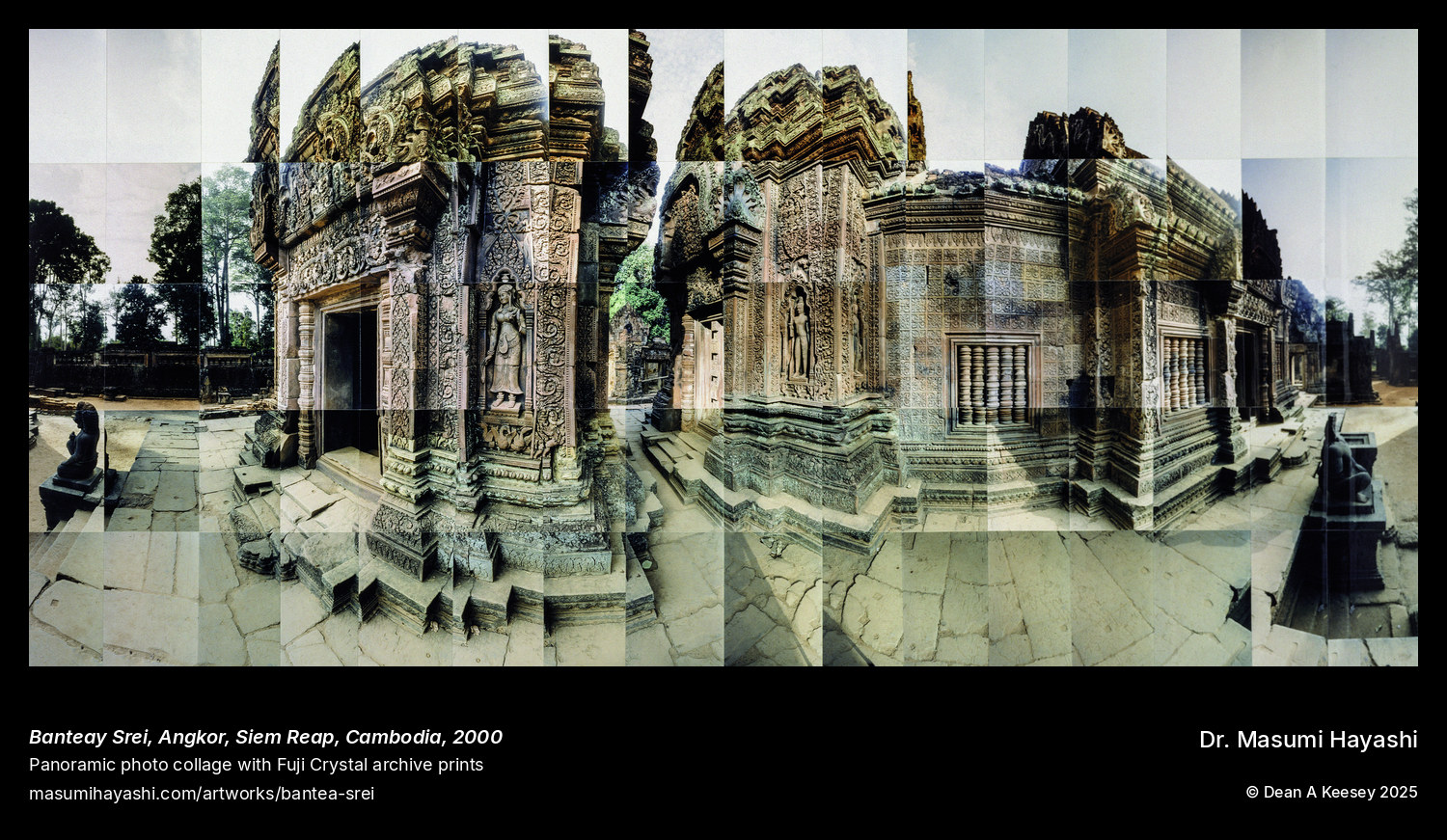
Banteay Srei, Angkor, Siem Reap, Cambodia
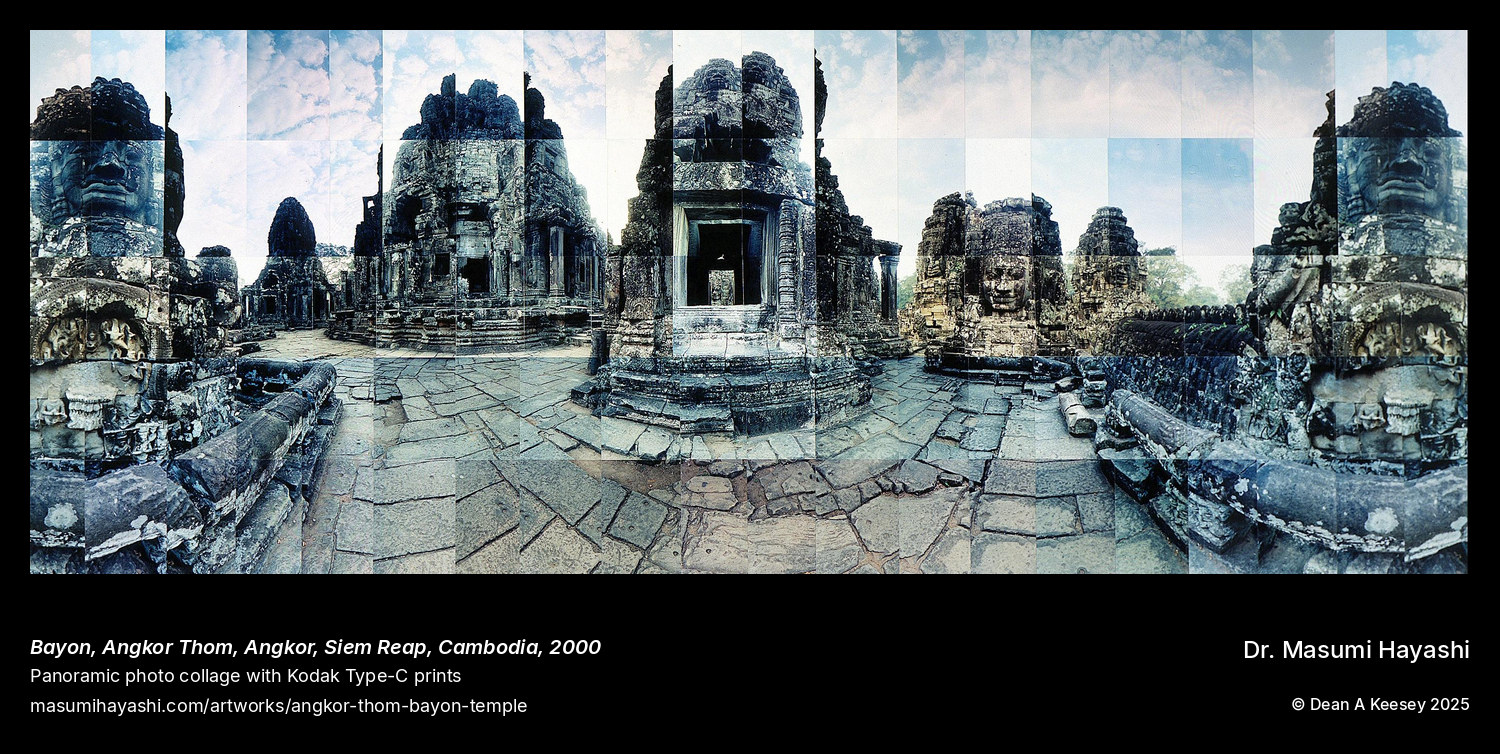
Bayon, Angkor Thom, Angkor, Siem Reap, Cambodia
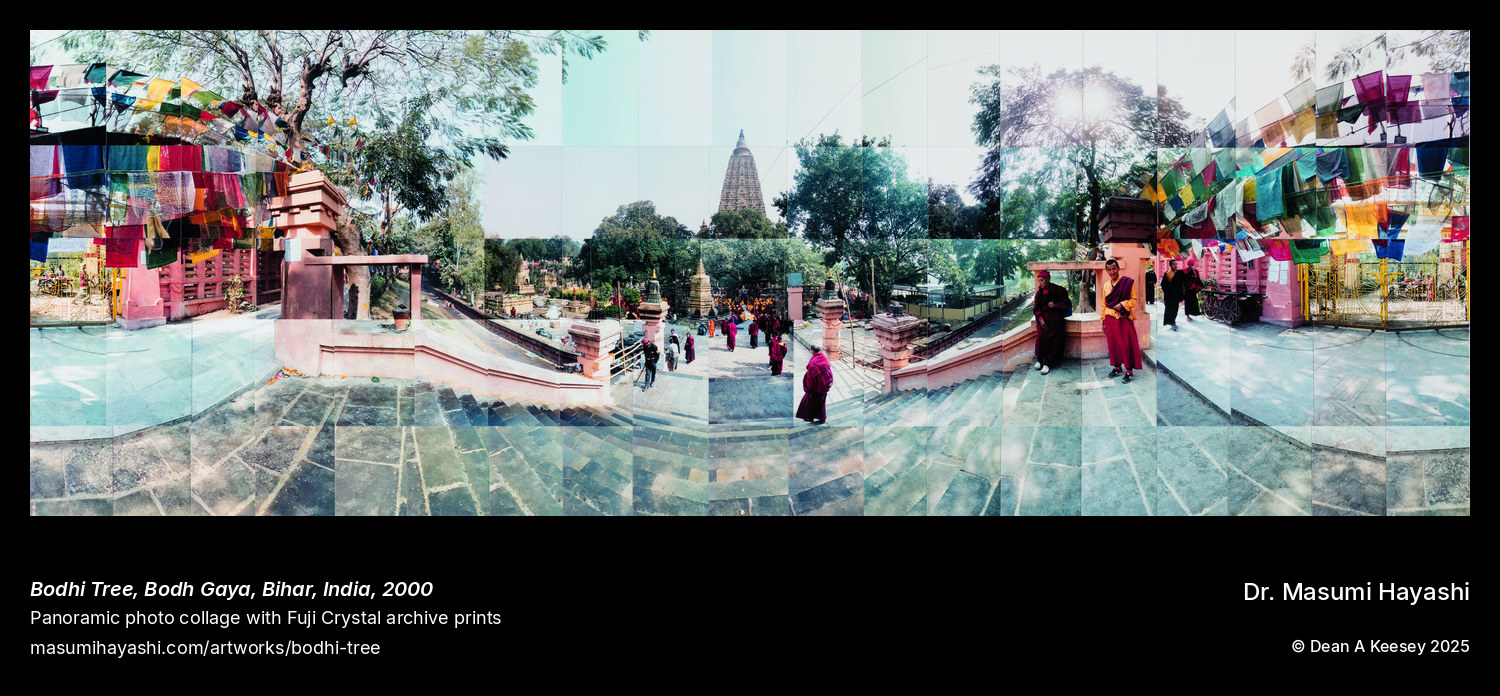
Bodhi Tree, Bodh Gaya, Bihar, India