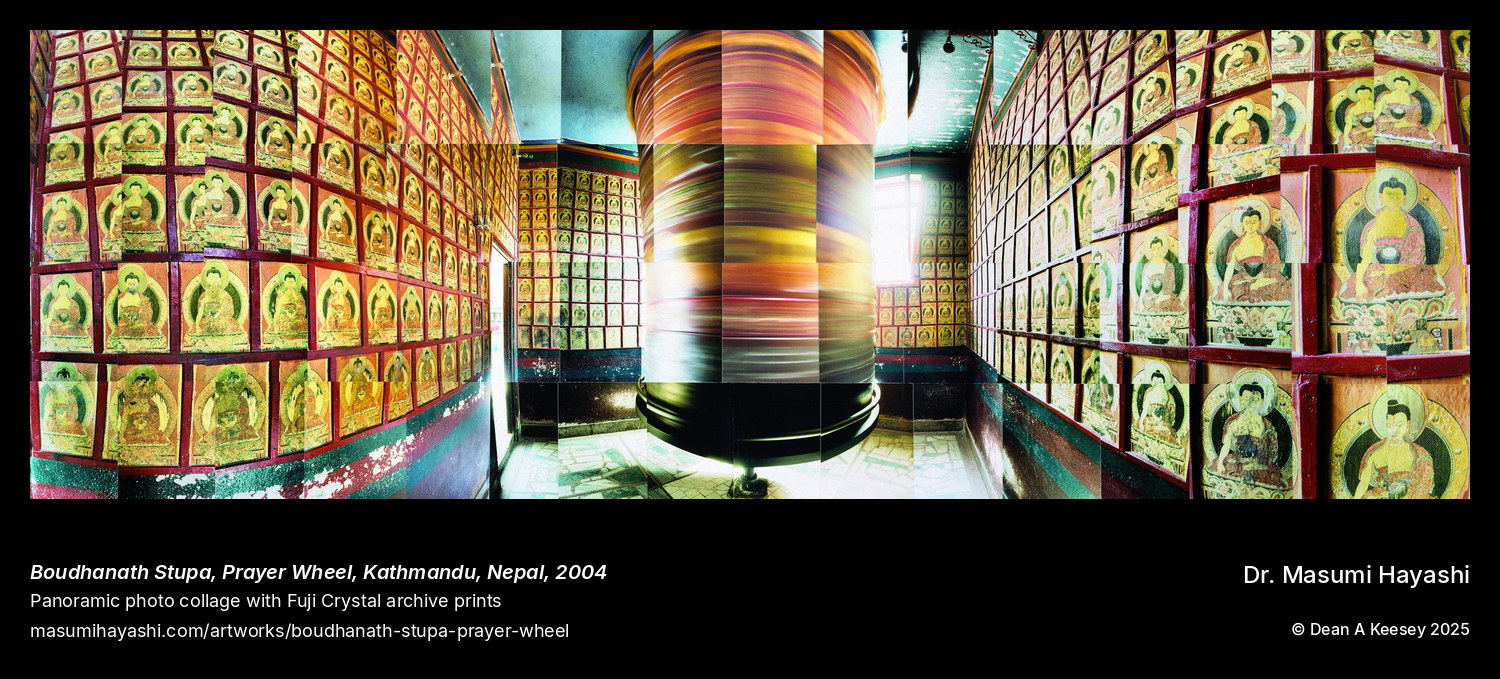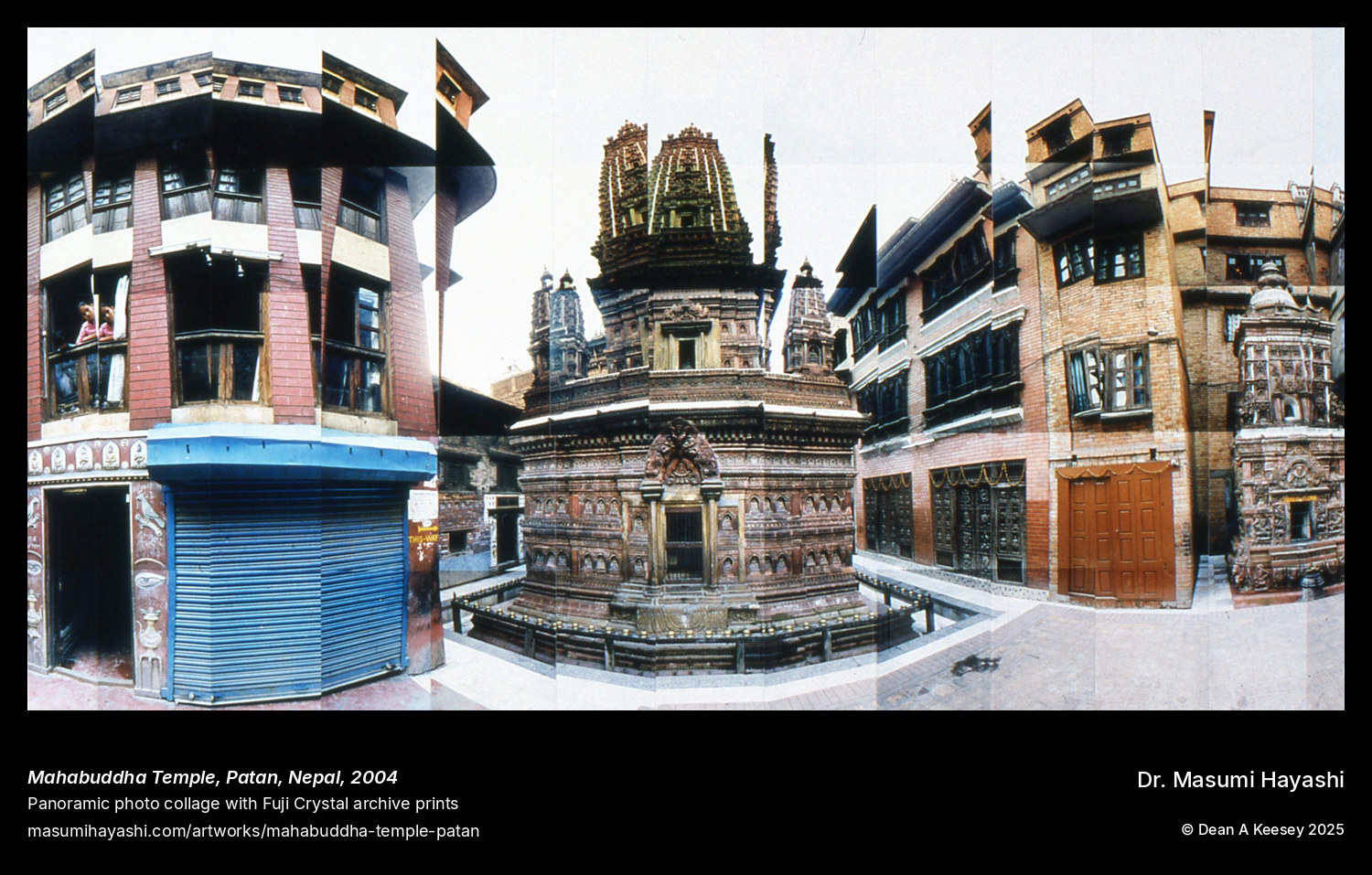
Mahabuddha Temple
Patan (Lalitpur), n/a, Nepal
Panoramic photo collage with Fuji Crystal archive prints
2004
45 x 22
This vertical 45-by-22-inch panorama documents the Mahabuddha Temple—the “Temple of a Thousand Buddhas” in Patan, a distinctive terracotta shikhara tower bearing over 9,000 small Buddha images on its exterior surfaces. The nearly four-foot height captures the temple’s vertical composition: multiple tiers rising from courtyard level, each tier covered with identical terracotta Buddha figures creating textured surface of repeated enlightenment.
Created in 2004 during Hayashi’s final productive year, the work represents late-career documentation of Nepal’s unique architectural traditions. The Mahabuddha Temple, built in 1585 CE and modeled on the Mahabodhi Temple at Bodh Gaya (Buddhism’s holiest site), demonstrates how sacred architecture travels across cultures—Indian Buddhist forms adapted to Newari craftsmanship in the Kathmandu Valley.
The temple’s distinctive character derives from its terracotta construction: rather than carved stone or painted wood typical of Newari architecture, the Mahabuddha is constructed from thousands of fired clay bricks bearing Buddha images in relief. This construction technique required specialized ceramic production, each brick molded with Buddha figure before firing and assembly into the tower’s distinctive tiers.
The shikhara form—a curvilinear tower rising to pointed finial—represents North Indian temple architecture transplanted to Nepal, the Mahabuddha demonstrating devotional connection to Bodh Gaya where the original Mahabodhi Temple established the shikhara prototype. Patan’s temple reproduces the sacred geography of enlightenment, bringing Bodh Gaya’s blessings to the Kathmandu Valley.
The 2015 Gorkha earthquake damaged the Mahabuddha Temple, though its terracotta construction proved more resilient than stone structures nearby. Hayashi’s 2004 documentation captures pre-earthquake condition, acquiring archival significance beyond artistic achievement.
The vertical format emphasizes the temple’s characteristic proportions: narrow base rising through graduated tiers, the aspect ratio matching the shikhara’s vertical thrust toward sky.
More from Sacred Architectures
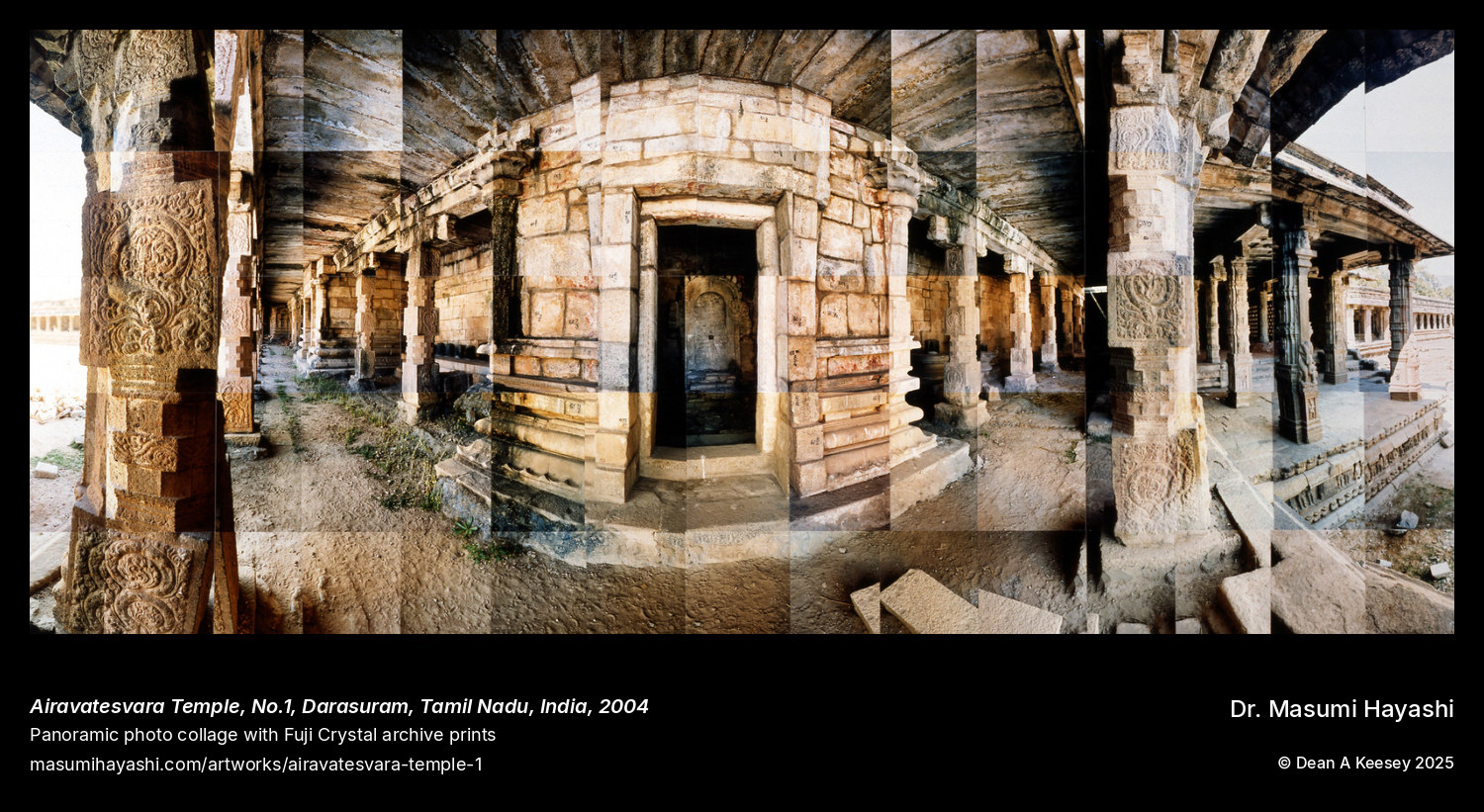
Airavatesvara Temple #1, Darasuram, Tamil Nadu, India
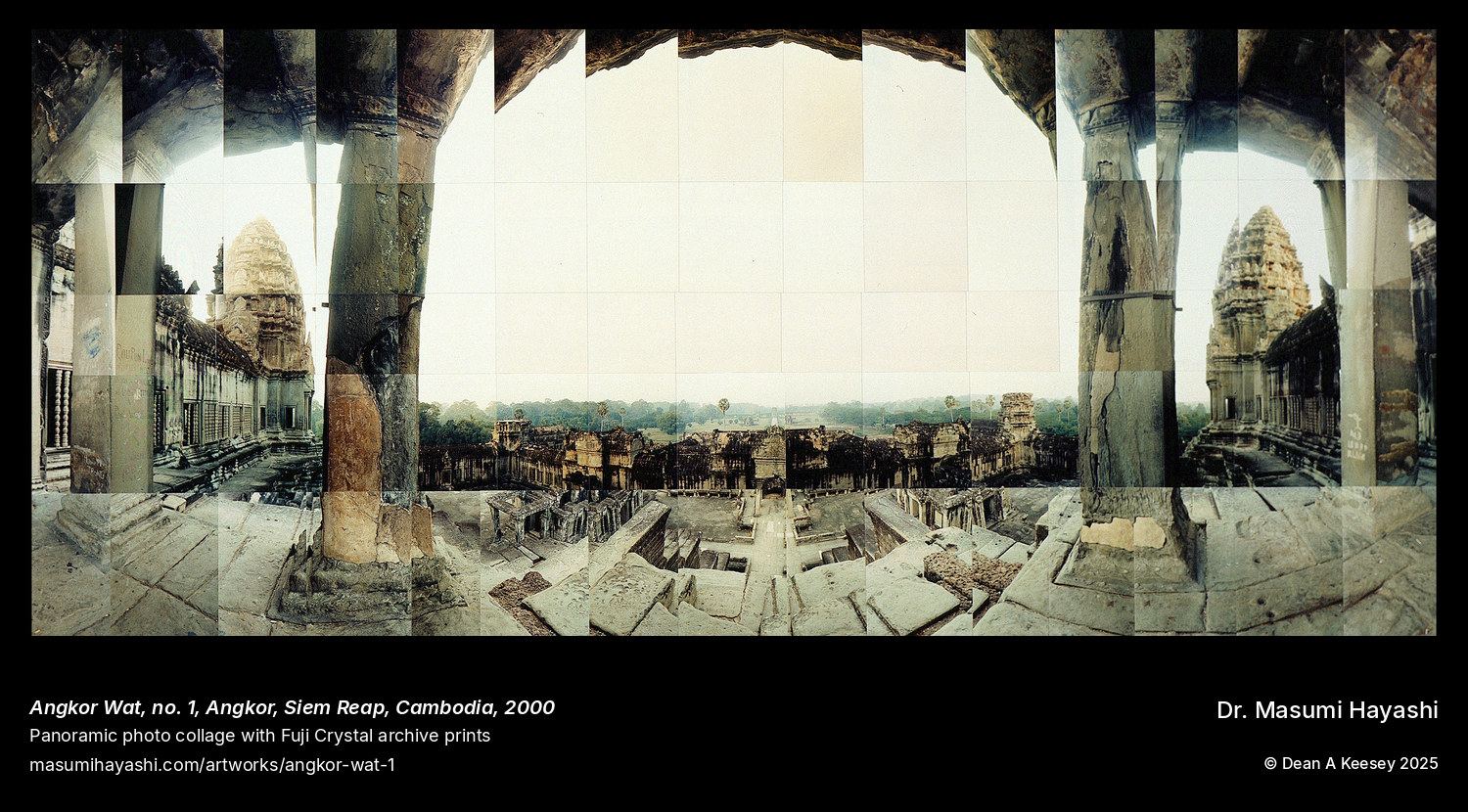
Angkor Wat, no. 1, Angkor, Siem Reap, Cambodia
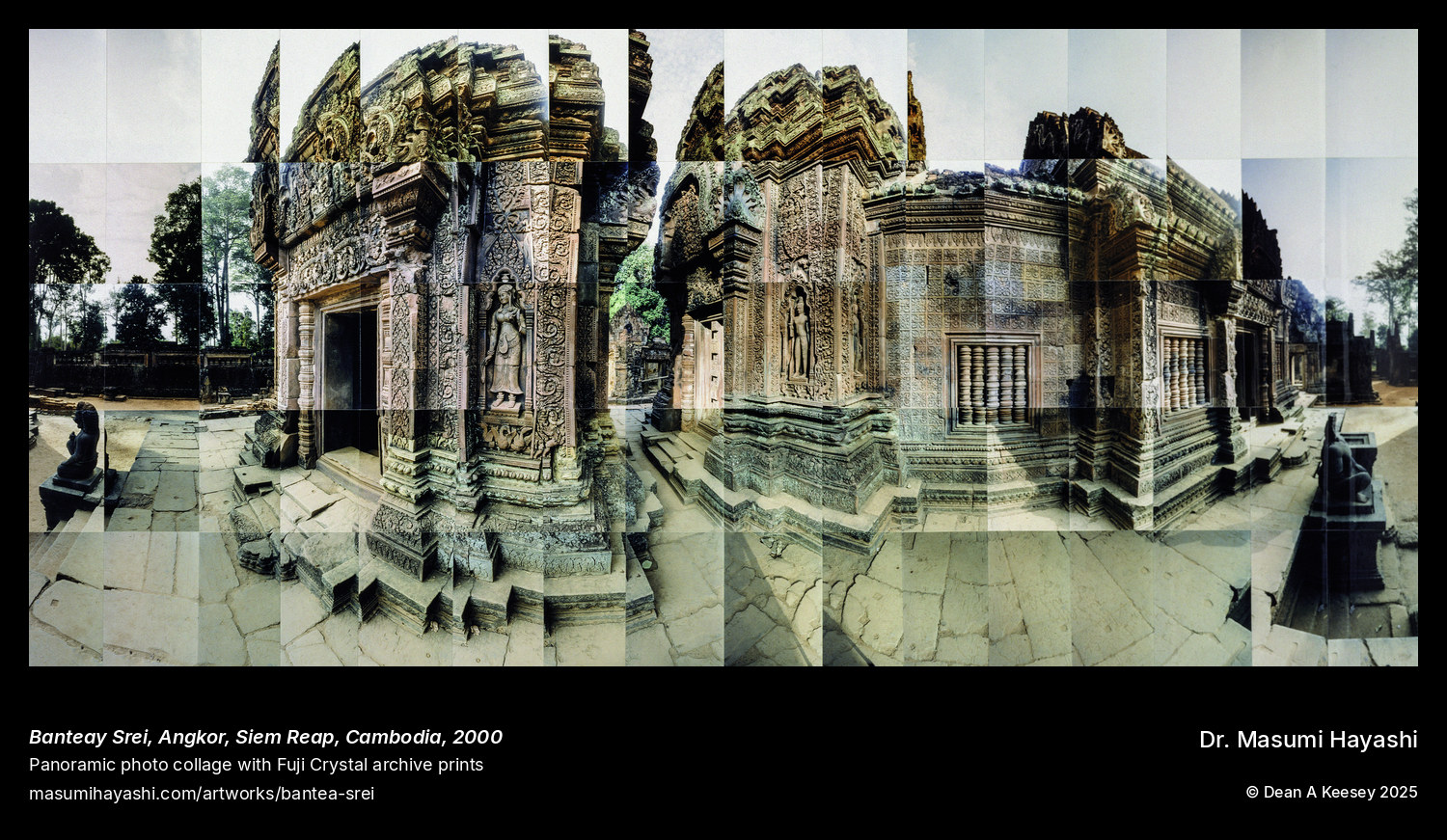
Banteay Srei, Angkor, Siem Reap, Cambodia
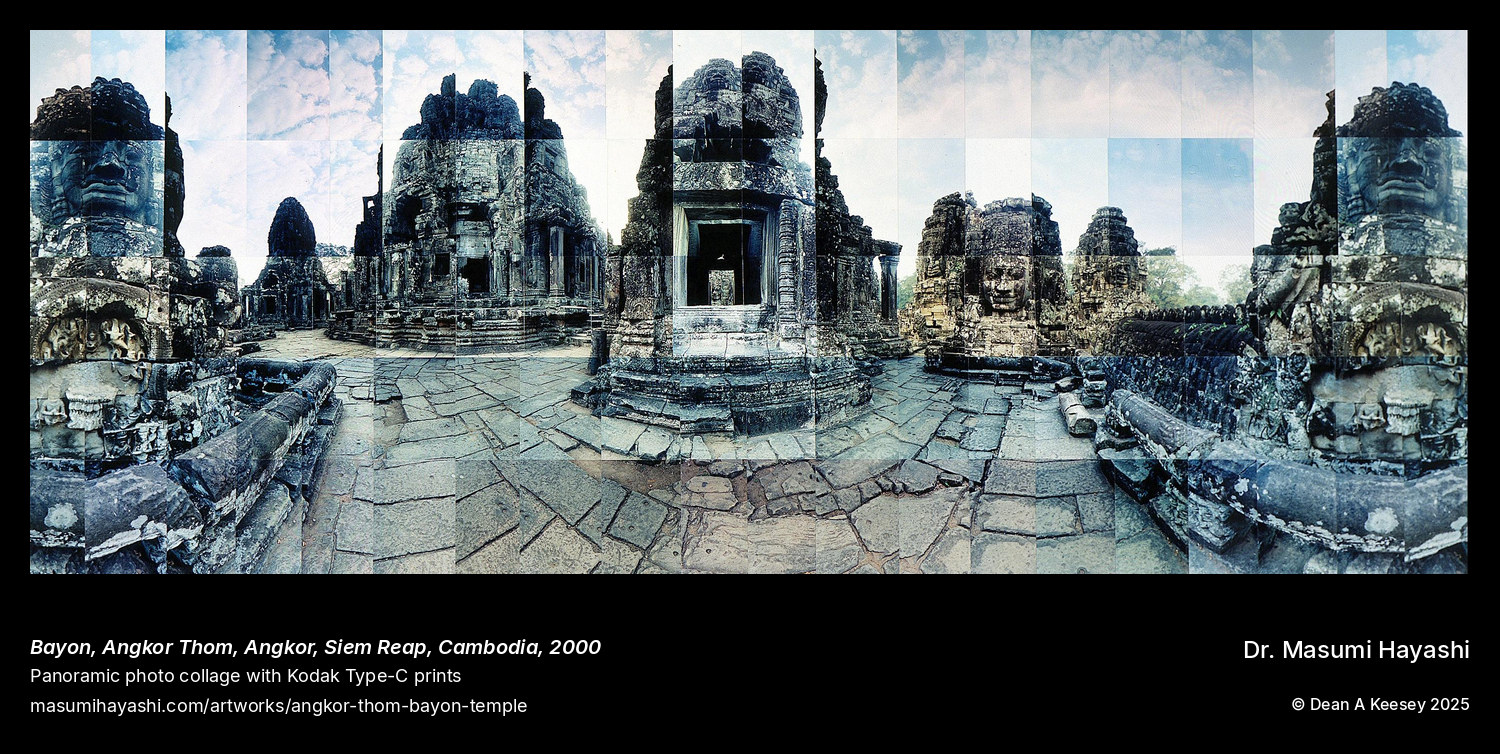
Bayon, Angkor Thom, Angkor, Siem Reap, Cambodia
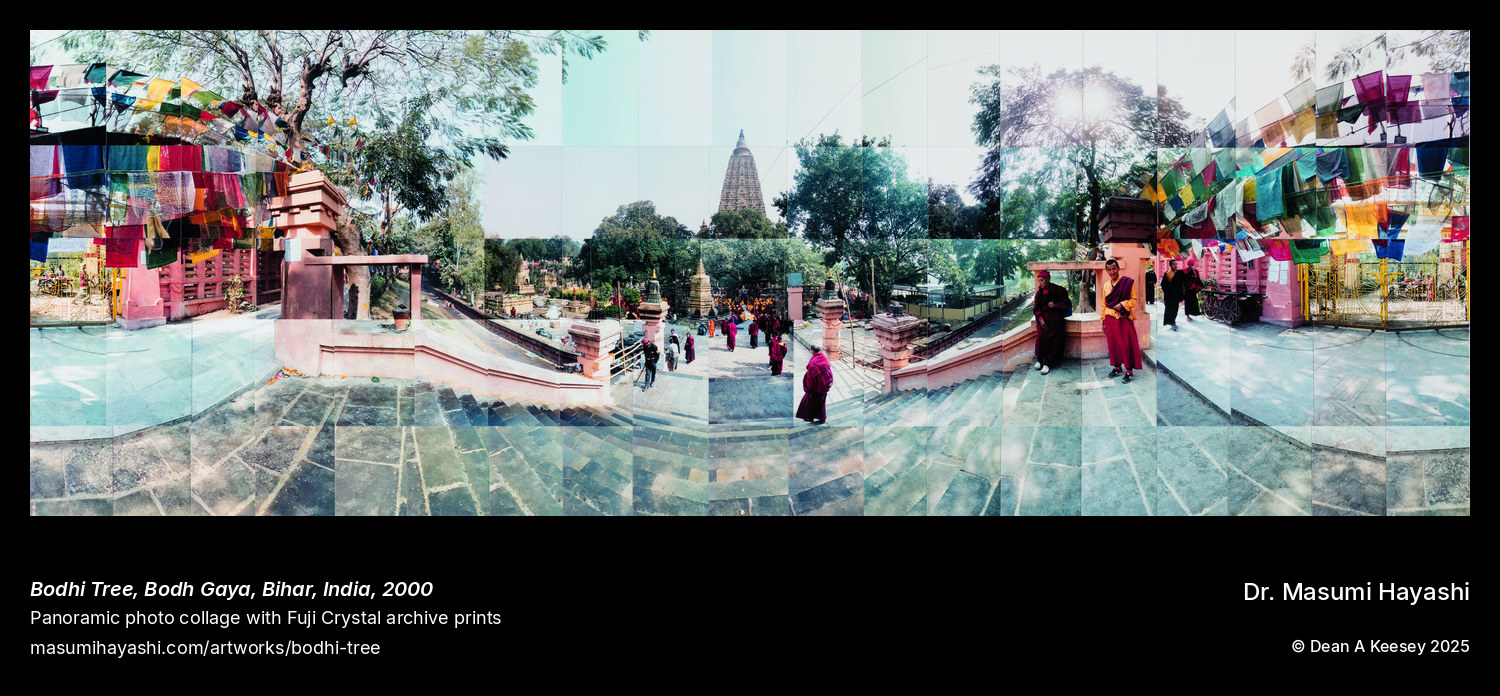
Bodhi Tree, Bodh Gaya, Bihar, India