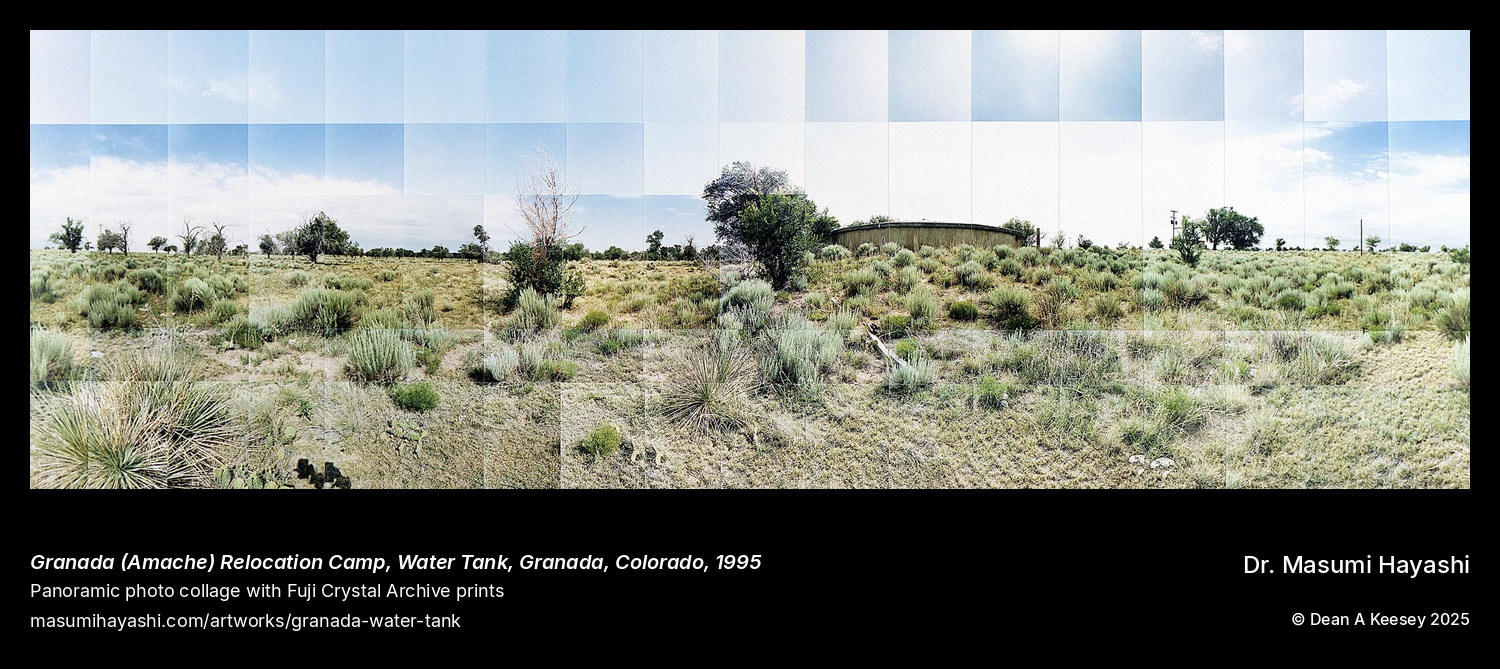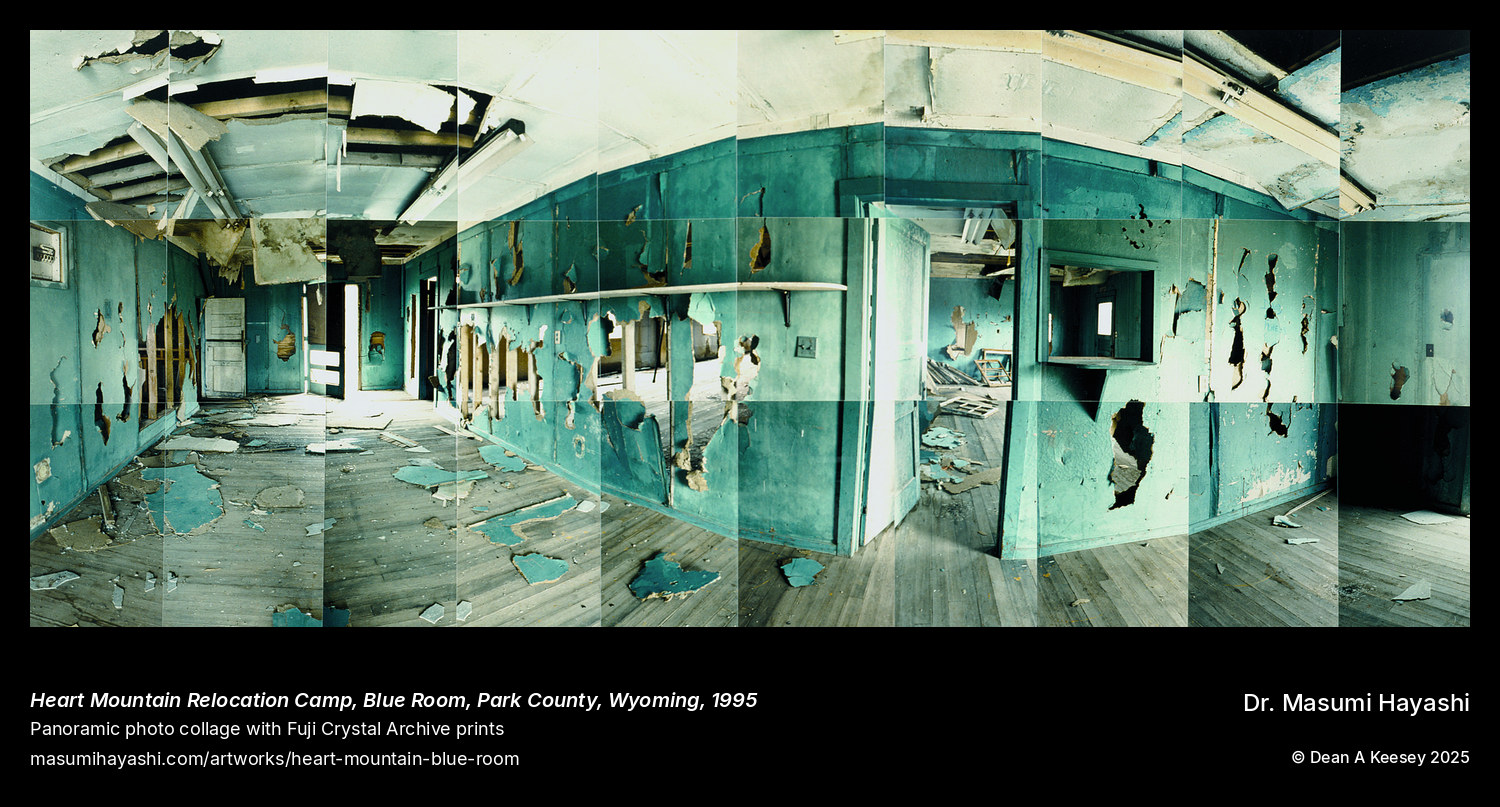
Heart Mountain Relocation Camp, Blue Room
Park County, WY, USA
Panoramic photo collage with Fuji Crystal Archive prints
1995
23 x 45
This horizontal 23-by-45-inch panorama documents the “Blue Room” at Heart Mountain Relocation Center—a named interior space whose specific function remains unclear but whose designation suggests distinctive purpose within the Wyoming camp where 14,000 Japanese Americans were imprisoned from 1942 to 1945. The nearly four-foot width captures interior architecture rare among Hayashi’s predominantly landscape-focused camp documentation.
Created in 1995, the work represents one of several Heart Mountain interior studies—alongside the Hospital and Interior pieces—together documenting the built environment of daily incarceration at human scale. Heart Mountain’s relative preservation among camp sites enabled this interior access, surviving structures providing evidence of spatial conditions that other camps’ complete demolition has erased.
The “Blue Room” designation suggests either paint color or administrative function: camps contained various specialized spaces—recreation halls, laundry facilities, mess halls, administrative offices—whose bland government nomenclature masked their role within the incarceration system. The blue paint, if that explains the name, would represent one of few attempts to humanize institutional space, color applied to walls otherwise finished with military-issue efficiency.
Interior documentation provides different evidence than landscape panoramas: the human scale of confinement, the spatial conditions of daily life, the architectural experience of imprisonment rather than its geographic extent. The Blue Room’s survival—while most camp structures vanished—suggests substantial construction exceeding typical barracks: perhaps an administrative building or community facility whose purpose warranted sturdier materials.
The horizontal format suits interior documentation where walls define lateral extent, the composition bounded by architectural surfaces rather than extending toward distant horizons. The work captures contained space rather than expansive landscape, documenting the claustrophobic conditions that characterized life within camps’ barbed wire perimeters.
Heart Mountain’s interpretive center now occupies this site, the preserved structures enabling visitors to experience spatial conditions internees endured.
This work documents Heart Mountain, one of the concentration camps where Japanese Americans were incarcerated during World War II.
Part of the American Concentration Camps project
Exhibition History
- Accused of No Crime: Japanese Incarceration in America — ReflectSpace Gallery, Glendale Central Library (2018)
More from Japanese-American Internment Camps
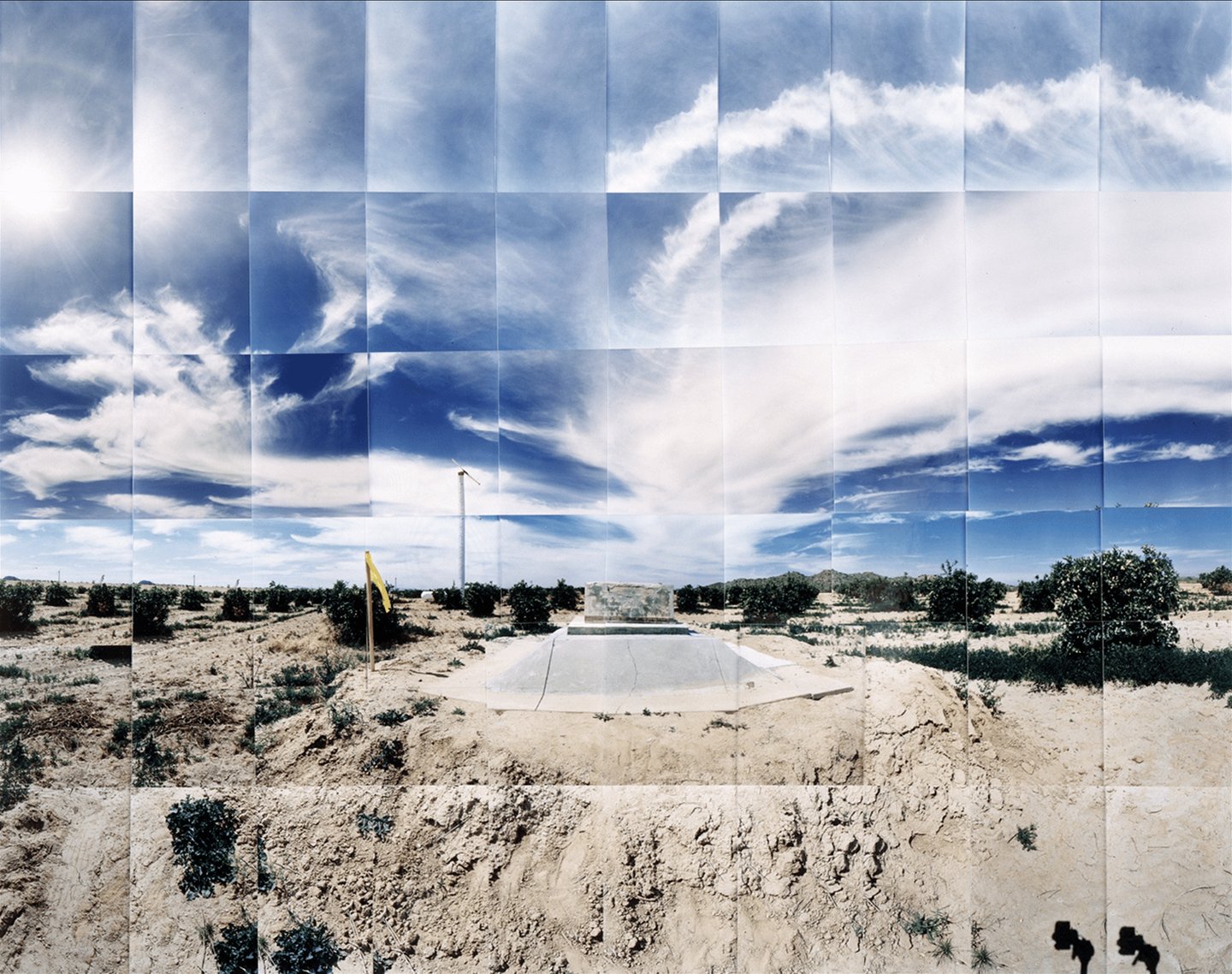
Gila River Relocation Camp, Dog Grave
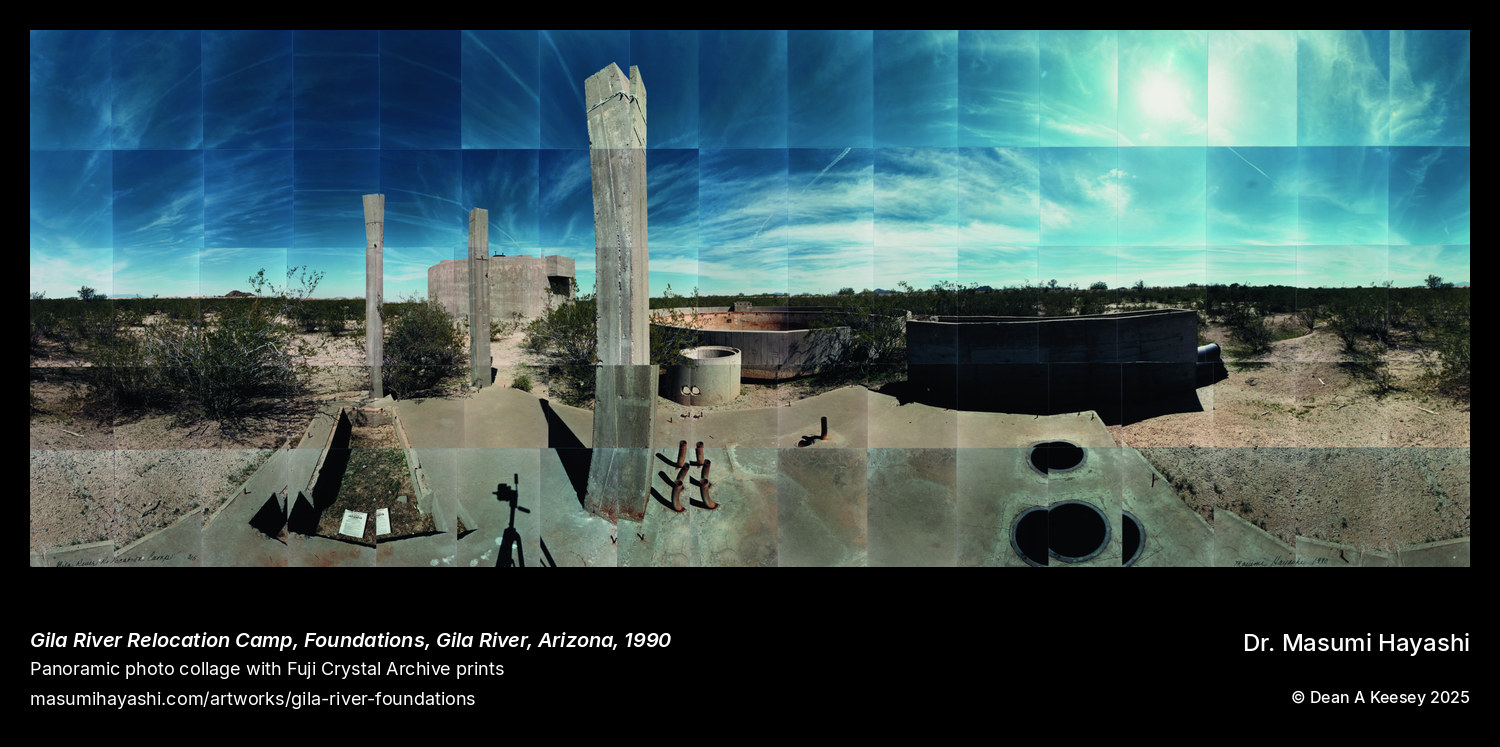
Gila River Relocation Camp, Foundations
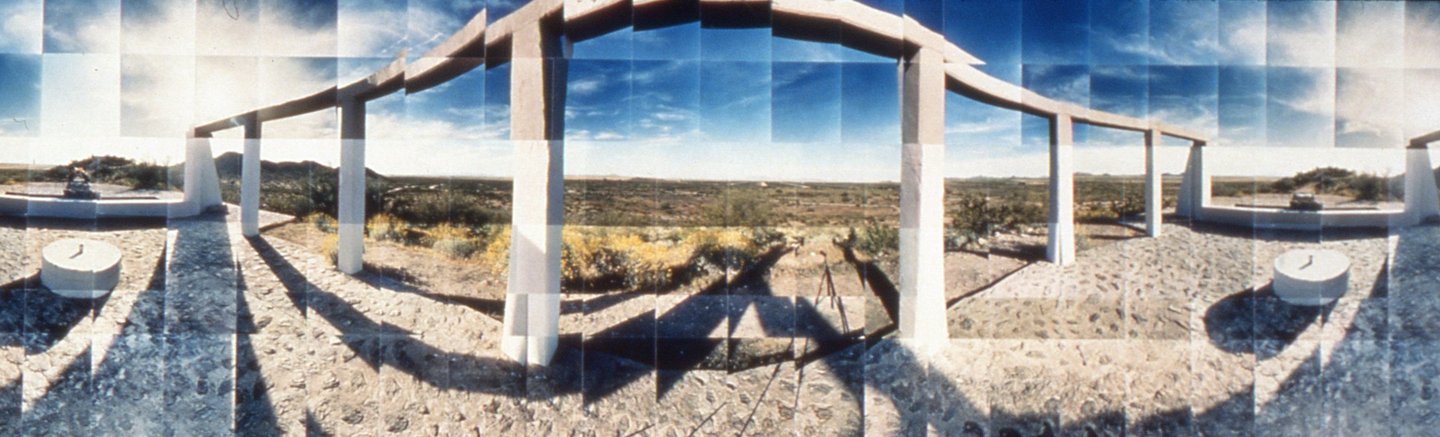
Gila River Relocation Camp, Monument
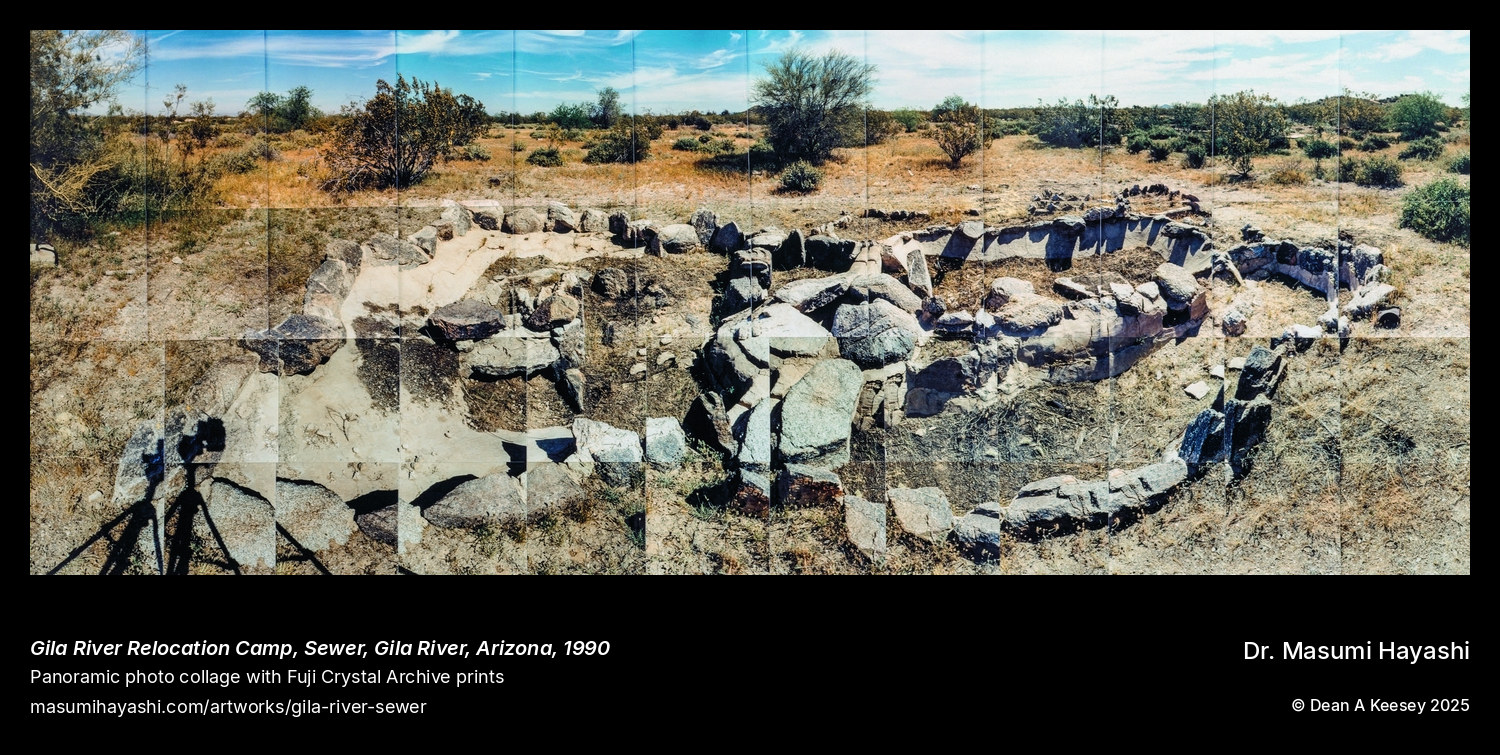
Gila River Relocation Camp, Sewer
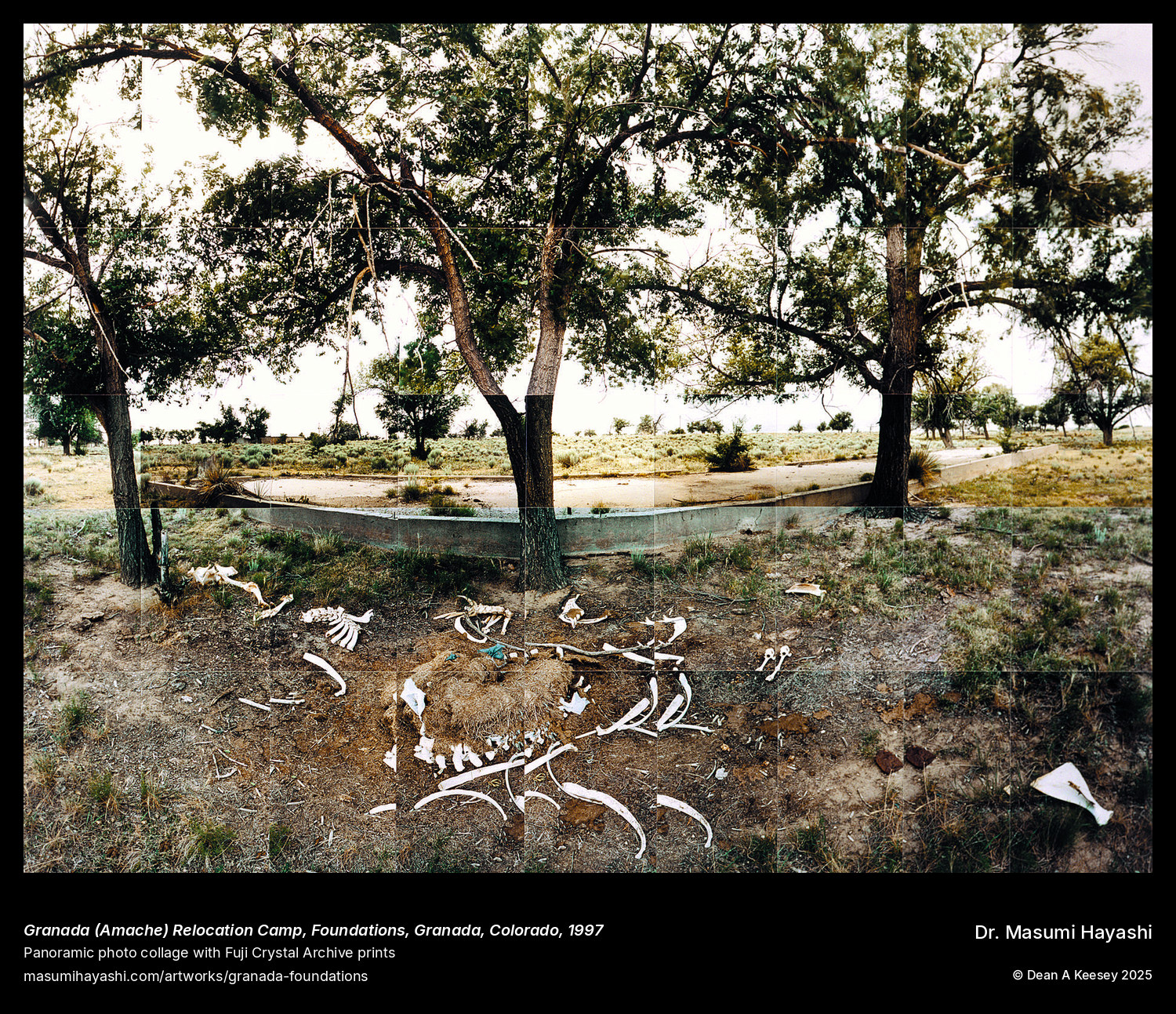
Granada (Amache) Relocation Camp, Foundations