Old Arcade, Cleveland, Ohio | Masumi Hayashi Foundation
Back to Gallery
Picture of Old Arcade, Cleveland, Ohio by Dr. Masumi Hayashi

Old Arcade, Cleveland, Ohio

Cleveland, OH, USA

Panoramic Photo Collage

1986

19 x 70

Old Arcade, Cleveland, Ohio

Masumi Hayashi’s 1986 panoramic photo collage Old Arcade, Cleveland, Ohio documents one of Cleveland’s most celebrated architectural treasures—the 1890 Victorian-era shopping arcade featuring a five-story iron-and-glass atrium topped by ornate skylight, representing America’s finest surviving example of 19th-century European-style shopping arcade architecture. This 19×70-inch wide horizontal panorama captures the Arcade’s soaring interior spaces and architectural ornament, employing Hayashi’s photo collage technique to compress the building’s vertical drama and longitudinal extent into unified panoramic composition celebrating Cleveland’s Gilded Age architectural heritage.

Historical Context: The Cleveland Arcade

The Cleveland Arcade, officially “The Arcade,” opened in 1890 as John Eisenmann and George H. Smith’s architectural masterpiece—a five-story iron-and-glass shopping arcade connecting Superior Avenue and Euclid Avenue through Cleveland’s downtown core. The building represented European arcade architecture traditions adapted to American commercial contexts: covered shopping streets featuring ornate iron frameworks, glass roofs flooding interiors with natural light, and multilevel galleries creating spectacular vertical spatial experiences.

The Arcade’s construction during Cleveland’s Gilded Age industrial prosperity reflected the city’s economic confidence and architectural ambition—creating ornate commercial spaces rivaling European capitals’ shopping districts while demonstrating American industrial capacity through iron framework manufacturing and glass production. The building housed luxury retail, professional offices, and restaurants, serving as Cleveland’s premier commercial and social gathering space during the late 19th and early 20th centuries.

By the 1970s-1980s when Hayashi documented the Arcade, the building faced uncertain future: downtown retail decline following suburban shopping mall development left the Arcade partially vacant, maintenance deferred, and preservation uncertain. Yet the building’s architectural significance—recognized through National Historic Landmark designation (1975)—mobilized preservation efforts culminating in 1980s restoration converting upper floors to hotel use while maintaining ground-floor retail, creating mixed-use model enabling economic viability while preserving architectural integrity.

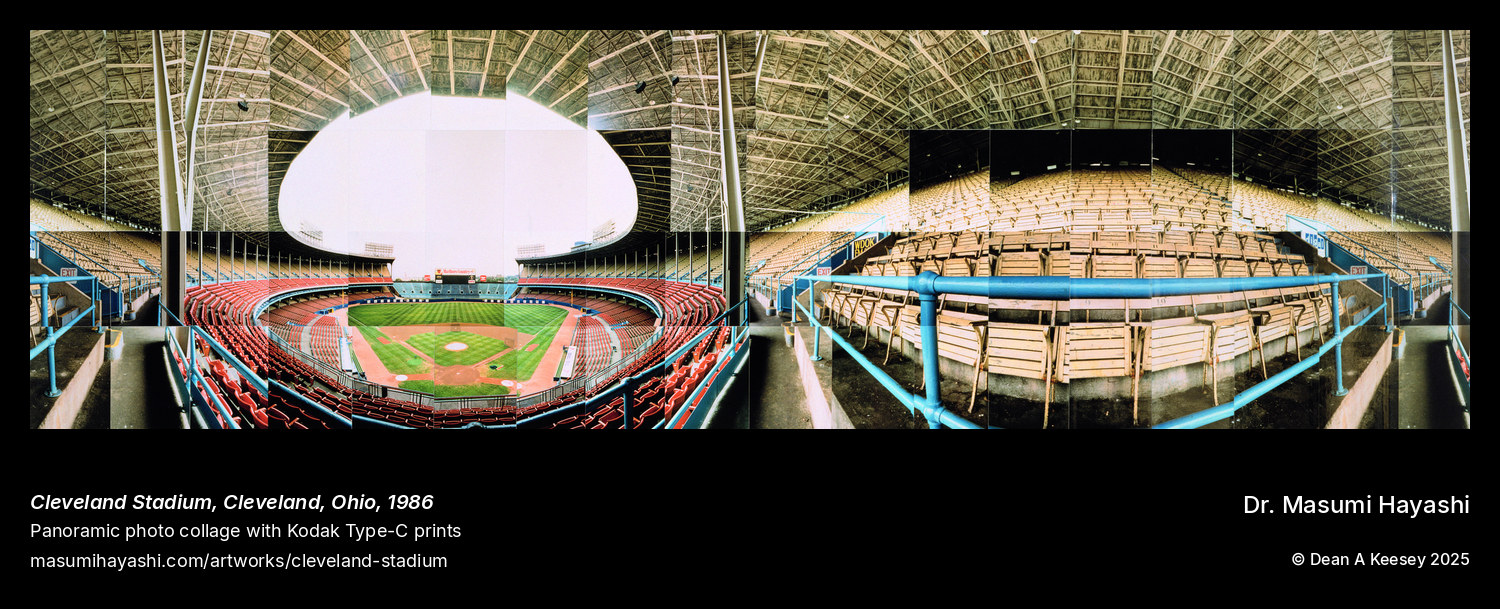
Hayashi’s 1986 documentation captured the Arcade shortly after restoration completion, photographing the building during its successful preservation moment when adaptive reuse demonstrated that historic commercial architecture could remain economically viable through creative mixed-use programming. Her work preserved testimony to successful preservation outcomes, contrasting with her documentation of demolished structures like Cleveland Stadium.

Format: Wide Horizontal for Vertical Space

The 19×70-inch dimensions (1:3.7 ratio) created wide horizontal panorama seemingly contradicting the Arcade’s primary architectural character—dramatic vertical atrium spaces. Yet the format served multiple purposes:

Longitudinal Extent: The Arcade’s 300-foot length from Superior to Euclid Avenues created horizontal dimension warranting wide panoramic format, capturing the building’s processional character as pedestrian passage connecting two major streets.

Spatial Compression: Panoramic collage technique enabled compressing both horizontal length and vertical height into unified composition—collapsing three-dimensional architectural volume into two-dimensional image including multiple viewpoints and elevations simultaneously.

Architectural Documentation Tradition: Wide panoramas suited interior architectural documentation by capturing spatial extent while suggesting (through fragmentation and collage assembly) the complex three-dimensional spatial experiences that single-point perspective photography couldn’t fully represent.

Early Series Work: 1986 Foundation

The 1986 date positioned Old Arcade among Hayashi’s earliest City Works series pieces—likely created alongside or shortly after Cleveland Stadium (date undocumented but presumed mid-1980s) and Big Sur Beach works (1990), establishing foundational documentation patterns for systematic Cleveland heritage recording. This early date suggested Arcade documentation emerged during Hayashi’s initial conceptualization of City Works as dedicated urban architectural/civic landmark series, distinguishing it from post-industrial landscape documentation and environmental disaster sites.

The 1986 timing captured Arcade shortly after restoration completion (early-mid 1980s), photographing building during preservation triumph moment when adaptive reuse success validated historic preservation economics—contrasting with works documenting threatened or demolished structures where preservation failed. This preservation success documentation positioned work as hopeful record of what could be saved through creative reuse, versus elegiac documentation of lost heritage.

”Not Available” Pricing: Early Work Valuation Challenges

The cataloging’s “not available” pricing designation distinguished Old Arcade from later Cleveland works achieving

Early Market Development: 1986 date preceded Hayashi’s peak market success (1990s Bonfoey Gallery representation)—work created before systematic pricing structures established, sold through informal channels lacking documented pricing tiers.

Edition Sales Variability: Four distributed editions might have sold at different prices reflecting individual buyer negotiations, exhibition discounts, or institutional acquisition terms—preventing single “work price” documentation when actual transaction values varied across editions.

Preservation Context: Arcade documentation during restoration period might have involved preservation organization relationships (Cleveland Restoration Society, landmark commission) where work pricing complicated by potential donation considerations, preservation fundraising connections, or institutional partnership arrangements.

Cleveland Heritage Documentation

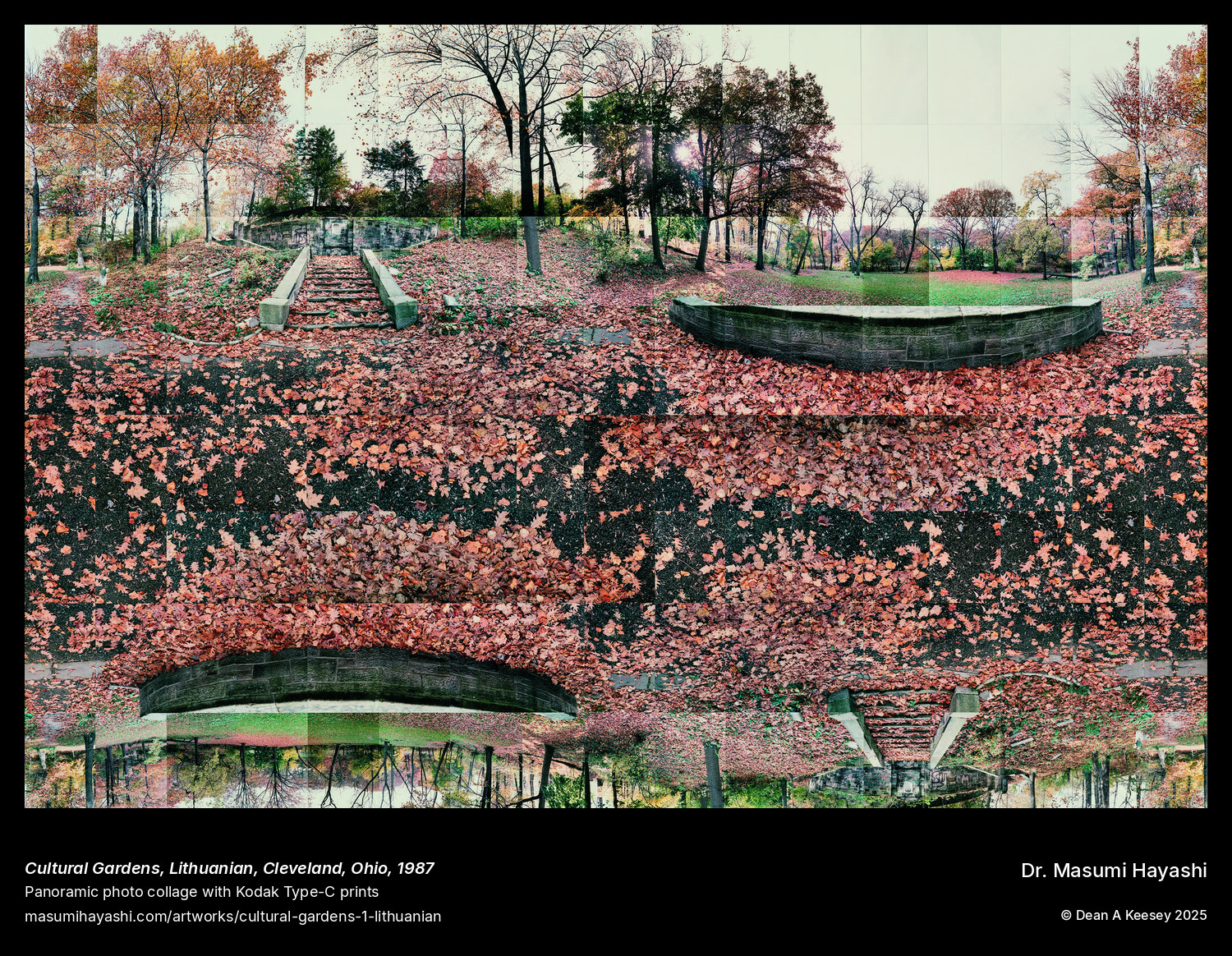
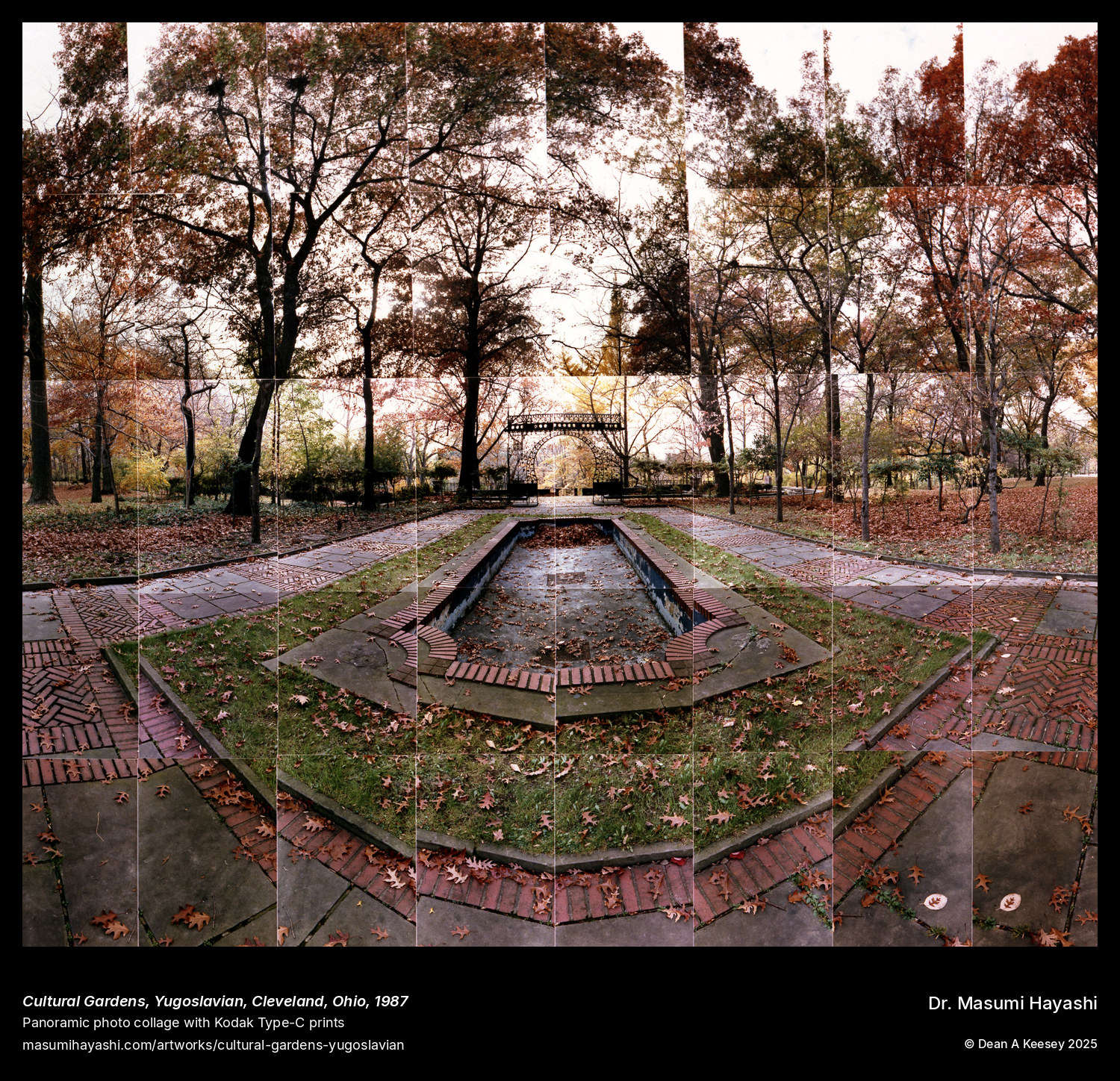
Old Arcade joined Cleveland Stadium, Cultural Gardens series, and other Cleveland works as systematic documentation of the city’s defining architectural and civic landmarks—Hayashi creating comprehensive visual archive of Cleveland’s built heritage during 1980s-1990s transformation period. This Cleveland focus reflected both personal connection (Hayashi’s home city) and documentary mission: creating permanent records of significant urban architecture and cultural landscapes facing preservation challenges or transformation pressures.

The work’s 80% distribution (4 of 5 editions placed) suggested solid collector interest in Cleveland architectural heritage documentation, yet not matching Cultural Gardens’ complete distribution—possibly reflecting the Arcade’s commercial rather than civic/cultural character, or market saturation where multiple Cleveland works competed for limited collector budgets focused on regional landmarks. Yet 80% success rate exceeded Philadelphia Downtown (0%), Big Sur Beach #2 (0%), and Dealey Plaza (20%), positioning Old Arcade as Cleveland market strength example where local architectural landmarks resonated with regional collectors.

Gilded Age Architecture & Preservation Success

The Arcade exemplified Cleveland’s Gilded Age (1870s-1900) architectural ambition—period when industrial prosperity funded ornate commercial and civic buildings demonstrating city’s economic power and cultural sophistication. Old Arcade documentation joined Terminal Tower, Public Square, and Victorian-era residential districts as records of Cleveland’s late-19th/early-20th century architectural peak, preserving architectural heritage defining city’s historical identity.

The building’s preservation success through adaptive reuse—converting upper floors to Hyatt Regency hotel while maintaining ground-floor retail character—demonstrated economically viable historic preservation model replicated nationally. Hayashi’s documentation captured this preservation triumph, contrasting with her documentation of failed preservation cases (Cleveland Stadium demolition, industrial ruins) where economic forces overwhelmed preservation advocacy.

  • Cleveland Stadium (02001) - Cleveland civic monument
  • Cultural Gardens series (02003-02005) - Cleveland multicultural heritage
  • Main Avenue Bridge, Cleveland (02013) - Cleveland infrastructure
  • Terminal Tower series - Cleveland architectural landmark
  • Palace Theater, Cleveland (02017) - Cleveland entertainment architecture

Series Context

Old Arcade belongs to Hayashi’s City Works series documenting urban architectural and cultural landmarks, representing Cleveland’s Victorian-era commercial architecture and successful historic preservation. The work’s wide horizontal format and modest distribution positioned it as significant Cleveland heritage documentation meriting collector acquisition while contributing to Hayashi’s comprehensive visual archive of the city’s defining structures.


Dimensions: 19 × 70 inches (wide horizontal panorama, 1:3.7 ratio) Year: 1986 (EARLY SERIES WORK - among first City Works pieces) Medium: Panoramic Photo Collage Film: 3.5 × 5 Kodak Edition: 1 of 5

Distribution: 80% (4 editions placed, 1 unframed inventory edition) Location: The Cleveland Arcade, Superior-Euclid corridor, downtown Cleveland, Ohio Series: City Works (02016) Architectural Significance: 1890 John Eisenmann & George H. Smith Victorian iron-and-glass shopping arcade, National Historic Landmark (1975) Historical Context: Cleveland’s Gilded Age commercial architecture, finest surviving American arcade example Preservation Status: Successfully restored early 1980s, adaptive reuse with Hyatt Regency hotel conversion (upper floors) Documentation Timing: Captured shortly after restoration completion, preservation triumph moment Cleveland Context: Early Cleveland heritage documentation alongside Stadium, Cultural Gardens Market Performance: 80% distribution - solid Cleveland collector interest, exceeded many national landmark works Preservation Model: Economically viable historic preservation through creative mixed-use programming

Donate